Friday, 28 December 2012

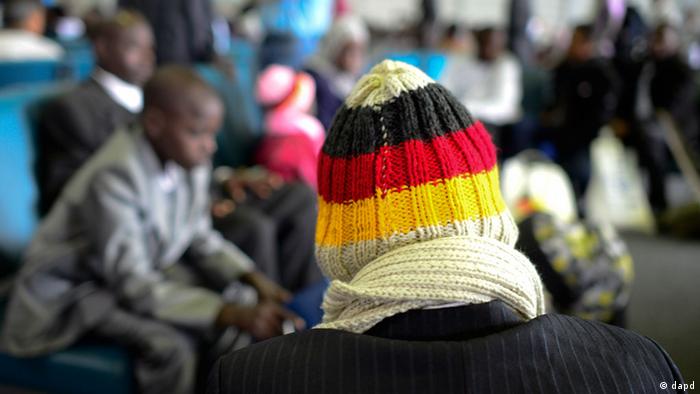
افزایش 50 درصدی تقاضاهای پناهندگی در آلمان

روزنامه اقتصادی و انترنتی «هندلس بلات آنلاین» با رجوع به اداره فدرال آلمان برای مهاجران و آوارگان، از تقاضای پناهندگی تقریبا 68 هزار تن در سال 2012 گزارش داده است. این بالاترین میزان از ده سال پیش تا به حال می باشد.
در ماه های گذشته، افزایش ورود پناهجویان از کشورهای صربستان و مقدونیه، بحث هایی را در آلمان به راه انداخته بود. در حالی که در سال 2011، افغانستان بیشترین شمار پناهجو را در آلمان داشت، در سال 2012 صربستان از افغانستان، سوریه، عراق و مقدونیه پیشی گرفته است. اما شمار پناهجویان از صربستان و مقدونیه که به عنوان پناهنده سیاسی به رسمیت شناخته می شوند، بسیار کم و جزیی است.
میزان سالانه ورود پناهجویان به آلمان هنوز هم در مقایسه با سال های 90 بسیار پایین است. در آن زمان سالانه 100 هزار آواره وارد آلمان می شدند. در سال 1992 اداره فدرال آلمان برای مهاجران و آوارگان، با بیش از 400 هزار درخواست پناهندگی در مراحل اول و دوم بالاترین میزان را ثبت کرد.
براساس اطلاعات رسمی، بیش از 59 هزار تقاضای پناهندگی در مرحله اول تا پایان ماه نوامبر سال روان ثبت شده است. در سال گذشته این شمار به تقریبا 46 هزار مورد می رسید. اداره فدرال آلمان براساس گزارش روزنامه اقتصادی «هندلس بلات آنلاین» برای ماه دسمبر انتظار حدود 8800 تقاضای پناهندگی را دارد. به این ترتیب شمار درخواست ها به 68 هزار در طول سال خواهد رسید و این به معنای افزایش 49 درصدی در مقایسه با سال 2011 است.
پناهجویان در اعتراض به عدم رسیدگی به دوسیه های شان، در برلین تظاهرات کرده بودند. پناهجویان در اعتراض به عدم رسیدگی به دوسیه های شان، در برلین تظاهرات کرده بودند.
اما قرار است که شمار پناهجویان در سال 2012 را وزارت داخله فدرال آلمان در ماه جنوری به طور رسمی اعلام کند.
در سال 2007، اداره فدرال مهاجران و آوارگان آلمان با کمتر از 20 هزار مورد تقاضای پناهندگی، کمترین میزان را ثبت کرده بود. از آن زمان به بعد شمار موارد سالانه درخواست های پناهندگی سه برابر شده است.
تقاضای تغییر سیاست حکومت
سازمان حامی پناهندگان «پرو اسیل» از حکومت فدرال و ایالت های آلمان خواسته است که با توجه به تحولات کنونی و افزایش میزان پناهجویان عملکرد شان را تغییر دهند. گونتر بورکهارت، مدیرکل این سازمان به خبرگزاری آلمان گفت: «آلمان باید آمادگی افزایش پناهجویان را داشته باشد». به گفته او، فرار از کشورهایی مانند افغانستان، عراق و سوریه ادامه خواهد داشت و آلمان تا به حال در این مورد غفلت کرده است.
بورکهارت گفت که دولت آلمان، مکان های موقت زندگی برای پناهجویان را در سال های گذشته مسدود کرده است، چرا که تصور می کرده مهاجران فراری از منازعه ها به آلمان نمی رسند. به گفته او، این یک مفکوره نادرست است و سیاست در این زمینه باید تغییر کند. او گفت که دولت باید شرایط ویزا را برای آوارگان سوری که اقارب شان در آلمان هستند، آسان تر سازد و برای آوارگان سرپناه ایجاد کند

Tuesday, 25 December 2012

غرق شدن 15 افغانستانی در آب های یونان!

وزارت امورخارجه هیاتی را به یونان فرستاد تا در مورد غرق شدن مهاجران افغانستانی در آب های این کشور تحقیق نماید.

به گزارش تمدن، یک مقام این وزارت تایید کرد، که در حادثه غرق شدن کشتی مهاجرن افغانستانی 15 تن جان داده اند.

این مقام که نخواست نام وی فاش شود گفت: پس از این حادثه تنها یک شهروند افغانستانی زنده مانده است.

وی گفت: هیات اعزامی در جهت ثبت هویت جان باختگان این حادثه کار خواهد کرد و بعد از انجام بررسی ها اجساد این افراد به خانواده هایشان تحویل داده می شود.

گزارش ها می رساند که این گروه از مهاجران شامل اطفال و کودکان بصورت غیر قانوی از ترکیه به سمت یونان حرکت کرده بودند اما در آب های این کشور غرق شدند.

Monday, 17 December 2012

Η μαρτυρία του μοναδικού επιζώντα από το ναυάγιο ανοικτά της Λέσβου


Αποκλειστικότητα της ΕΡΑ ΑΙΓΑΙΟΥ / Ηλίας Μαραβάς
«Θυμάμαι  ότι  έφτασα στην ακτή. Έψαξα να τους βρω αλλά δεν βρήκα κανένα.  Μετά θυμάμαι που ξύπνησα στο νοσοκομείο» δήλωσε  αποκλειστικα στην ΕΡΑ ΑΙΓΑΙΟΥ ο μοναδικός επιζών του ναυαγίου με μετανάστες ανοικτά της Λέσβου. Ο δεκαεξάχρονος (κατά δήλωσή του) κατάγεται από την πόλη Μπαμιάν του Αφγανιστάν και τα ξημερώματα της Παρασκευής με 28 συμπατριώτες του  επιβιβάστηκαν σε πλαστική λέμβο, στην οποία επέβαιναν και δύο Τούρκοι μεταφορείς. Μετά από μία ώρα περίπου ταξιδιού η  λέμβος πήρε νερά, αναποδογύρισε και όλοι τους βρέθηκαν στη θάλασσα.
H.M.Τι συνέβη εκείνο το βράδυ.
Μ.Μ: Ξεκινήσαμε στις  19:30 από την Κωνσταντινούπολη και περίπου  στις 2:00 τα ξημερώματα φτάσαμε στην ακτή. Μπήκαμε σε μια πλαστική  λέμβο σαν αυτές που χρησιμοποιούν για ψάρεμα.  Είχε πολύ κύμα. Η βάρκα είχε τρυπήσει και μπήκε νερό. Μετά μας χτύπησαν κύματα και όλοι πέσαμε στη θάλασσα.
Η.Μ. Πόσα άτομα ήσασταν;
Μ.Μ.: Ήμασταν 30 άτομα,(ανάμεσά μας) δύο γυναίκες και ένα μικρό παιδί. Ήταν και δύο Τούρκοι μαζί μας.
Η.Μ. Φορούσαν όλοι σωσίβια;
Μ.Μ.: Ναι φορούσαν όλοι
Η.Μ..: Είδες κάποιο άλλο σκάφος εκεί κοντά;
Μ.Μ.: Όχι δεν υπήρχε κανένα
Η.Μ.: Τι θυμάσαι από τη στιγμή που πέσατε στο νερό
Μ.Μ: Έμεινα στο νερό περίπου πέντε ώρες. Κολυμπούσαμε μαζί με κάποια άτομα για περίπου δυο ώρες. Μετά τους έχασα. Θυμάμαι  ότι  έφτασα στην ακτή. Έψαξα να τους βρω αλλά δεν βρήκα κανένα.  Μετά θυμάμαι που ξύπνησα στο νοσοκομείο.


(φώτο από το σκάφος που μετέφερε στο λιμάνι της Μυτιλήνης  τον  μοναδικό επιζώντα)

Sunday, 16 December 2012

Lesvos: 18 Migrants Found Dead, 9 Missing


Coast guard police has found the bodies of 18 immigrants who were trying to enter Greece from the Aegean.
Their boat capsized early Friday.
A 20-year-old man found alive Friday told authorities there were 28 people on the crowded boat, including its Turkish owner, when it capsized off the northeastern island of Lesvos, near the Turkish coast. The man, who has been hospitalized, is the sole survivor found so far.
A coast guard spokeswoman said the migrants were “of Asian origin” without specifying further.
Last September, in a similar shipwreck in the Aegean, 60 immigrants died, amongst them 31 children…

Saturday, 15 December 2012

Ναυάγιο με 15 νεκρούς μετανάστες στις ακτές της Λέσβου

Τουλάχιστον 15 μετανάστες εντοπίστηκαν νεκροί στην παραλία Θερμής, στη Λέσβο, ενώ συνεχίζονται οι έρευνες των Λιμενικών για την ανεύρεση τυχόν επιζώντων.


Σύμφωνα με μαρτυρία διασωθέντα, σκάφος με 28 συνολικά μετανάστες ξεκίνησε από την Τουρκία με στόχο να προσεγγίσει τις ελληνικές ακτές. Από το πρωί του Σαββάτου συνεχίζονται οι έρευνες του Λιμενικού.

Ο άνδρας τον οποίο περισυνέλεξαν σώο οι Λιμενικοί είναι 20 ετών, υπήκοος ξένης χώρας, κατά δήλωσή του.

Περισυλλέγη από το πλήρωμα σκάφους, που συμμετέχει στην επιχείρηση «Ποσειδών-Θαλάσσια Σύνορα 2012» και μεταφέρθηκε στη Μυτιλήνη και από εκεί στο «ΒΟΣΤΑΝΕΙΟ» Γενικό Νοσοκομείο.

Reuters: Tortured, detained and ordered out: a migrant’s tale in Greece


Hassan Mekki, a 32-year-old Sudanese migrant, shows scars on his back in Athens December 5, 2012. REUTERS-Yannis Behrakis
By Renee Maltezou and Deepa Babington
SALAMINA, Greece | Thu Dec 6, 2012 11:57am EST
(Reuters) – Egyptian immigrant Waleed Taleb says demanding his unpaid wages in Greece came at a heavy price; 18 hours chained and beaten by his boss, a stint in jail and orders to leave the country he calls home.
One of hundreds of thousands of undocumented immigrants who toil in Greece’s black labor market, Taleb had just finished cleaning the bakery where he worked one November morning on the island of Salamina when he sparked his boss’s fury.
What followed would end up symbolizing how migrants have become among the biggest and most defenseless victims of Greece’s economic crisis, facing racist attacks, police apathy and a system that punishes them rather than their assailants.
The baker and two others fastened an 8-metre long metal chain around Taleb’s neck with a lock and dragged him to a stable, he said, where another man joined them. There they tied him to a chair, tightened the noose and punched him while he drifted in and out of consciousness, he said.
The men drank beer – which they also forced into Taleb’s mouth – and taunted him for being a Muslim, he said.
“They dragged me around like a dog,” said Taleb, recounting the attack from a mattress on the floor of his dingy apartment tucked away amid Salamina’s low-roofed houses and tavernas.
“I thought this was the end for me. I kept fainting, and every time I fainted they would hit me with rods to wake me up.”
After 18 hours, Taleb managed to escape when his captors left to reopen the bakery. But his nightmare was not over.
Found at dawn under a tree with the heavy chain still around his neck and his face swollen beyond recognition, Taleb was initially taken to a hospital and given first aid.
But police later whisked him away to detain him on the charge that he lacked documents to live in Greece – though he says he complained he could barely walk and was in pain.
“Everyone could see I was suffering. I couldn’t even see, and I couldn’t eat,” says Taleb, 29. A month later he has a neck brace, an arm bandage and can only eat semi-solid food.
“I thought I would die. The problem wasn’t that I didn’t have papers; the problem was that I had been beaten.”
Calling his ordeal one of “striking brutality”, the United Nations High Commissioner for Refugees said his case followed a pattern in which migrants are “immediately arrested with the view to be deported” when they go to police to report an attack.
After an outcry over the case – including condemnation by the Egyptian embassy and a protest by other Egyptians – Greece’s public order minister on Tuesday said Taleb would not be deported due to “humanitarian reasons”. But rights groups said it was not clear how long he would be allowed to stay.
“ALL OUT BUT ME”
Taleb says he spent four days in two detention centers and was given documents telling him to leave Greece in 30 days, while his boss was released after three days pending trial.
The baker, a former deputy mayor in Salamina, admitted to beating Taleb – but not brutally – and accuses him of stealing 13,000 euros that Taleb says is his money, police said. The other men Taleb accused were charged but are free pending trial since police failed to arrest them in the required 24-hour window after the crime.
“There was a phone in prison, and when I called other people, they told me my boss had already been released,” he said. “They hit me, robbed me and then everyone was out of jail except me.”
Indeed, the lack of any convictions in Greece over racist attacks has allowed migrants to be targeted with impunity, said Nikitas Kanakis, head of Doctors of the World in Greece.
“The state should apologize to a man found under a tree in chains. We treated him like a dog – that’s bad enough,” Kanakis said, attacking the move to detain Taleb after his ordeal.
“If we don’t convict any of these people nothing will change. Then everyone feels that they can get away with it.”
Police officials defended their actions by saying Taleb was pulled out of hospital only after they were given the go-ahead by doctors and that Greek law required the detention of illegal immigrants. A Greek police spokesman declined to comment beyond the statement by the minister saying Taleb’s deportation had been suspended.
Taleb and others in the Egyptian community say his injuries were serious enough for him to be sent back to hospital for a week after his four days in detention were over.
A CROSS ON HIS BACK
Two Greek immigration lawyers said Taleb was lucky to be given 30 days to leave – many others are often given just seven days to get out of Greece. Still others – like Hassan Mekki, a 32-year-old Sudanese migrant who fled conflict in his country in hope of a better life in Europe – suffer silently.
In August, he and a friend were walking in Athens when black-shirted men on motorcycles holding Greek flags came up and knocked him unconscious with a blow to the head, he said.
When he came to, he was covered in blood. Only later would he realize that his attackers, whom he says were likely tied to the far-right Golden Dawn party, had left large gashes resembling an “X” across his back.
“I don’t have the right papers, so I can’t go anywhere to ask for help,” Mekki said. “I can’t sleep. I’m scared, maybe they will follow me, and my life is in danger now.”
Tapping into resentment towards illegal immigrants, Golden Dawn emerged from obscurity to enter parliament this year pledging to kick all immigrants out. The fast-rising party, which has been linked to racist attacks, denies it is neo-Nazi.
In the latest criticism of Greece’s handling of migrants, the U.N. Special Rapporteur on migrants’ rights condemned Greece for doing little to curb rising racist attacks.
Much of the violence went unreported because victims were afraid of deportation if they went to the police, who were sometimes involved in the attacks, Francois Crepeau said.
IMMIGRATION CRISIS
A major gateway for Asian and African immigrants trying to enter Europe through its porous borders, Greece has long struggled with illegal immigration. In the last few years, the problem has exploded into a full-blown crisis as Greece sank into a deep recession, leaving one in four jobless and hardening attitudes towards migrants who were blamed for a rise in crime.
Ill equipped at the best of times to deal with the hordes of immigrants crossing its border withTurkey or arriving in plastic boats, Greece now finds itself grappling with a rising number of migrants when it can barely keep itself afloat.
Stepped-up border patrols this year have stemmed the flow only slightly – in the first 10 months of the year, over 70,000 illegal migrants were arrested for crossing into Greece, down from about 82,000 in that period last year.
Many often find shocking conditions at detention centers with food shortages, no hot water or heating and open hostility from Greeks embittered by years of austerity, Crepeau and other rights groups say.
Greek officials say the root of the problem is the so-called Dublin II treaty, which deems asylum seekers to be the responsibility of the country where they entered Europe and thus puts a heavier burden on border states like Greece.
Greek governments have repeatedly asked for the treaty to be repealed, to no avail, and the U.N.’s Crepeau also said Europe needed to do more to help Greece with the flow of migrants.
Still, Greece needs to stop blaming Europe for its failure to properly deal with migrants, said Dimitris Christopoulos, vice president of the Hellenic League for Human Rights. The treaty should be scrapped but Athens could take steps like registering migrants before asking Europe for help in sending them back to their countries or processing them, he said.
“In reality, Greece is doing nothing on this issue, saying ‘I can’t deal with this issue, I raise my hands,’” he said.
Instead, Prime Minister Antonis Samaras’s conservative-led government – fearful of losing votes to the fast-rising Golden Dawn – has gone on the offensive with police sweeps to arrest migrants and more checks along the Turkish border.
Police said 59,000 migrants have been detained in waves of raids since August, with about 5,000 deported and the rest released or sent to temporary detention centers.
Samaras has also defied opposition from leftist coalition allies and moved to scrap a law that makes it easier for those born to immigrant parents in Greece to become citizens – which critics say is reflective of his New Democracy party’s growing shift to the right.
“New Democracy is trying not to lose this group of very conservative voters,” said Theodore Couloumbis, vice president of the Athens-based ELIAMEP think-tank. “The traditional right-wing party is trying to win back some of these people who think that illegal immigration is a big problem.”
Far away from the corridors of power, the changing attitudes towards migrants are plainly visible in Salamina, where the reaction to Taleb’s ordeal ranges from shock to undisguised glee.
The island’s mayor, Yannis Tsavaris, told Reuters the attack was shocking and questioned whether Taleb should have been detained rather than kept in hospital. Some residents agreed.
“It’s despicable,” said Manos Kailas, 50, who owns a shop at the island’s busy port. “This incident is evidence of the social disintegration in Greece. The debt crisis has hit Greeks badly and they feel that illegal immigration is part of the problem.”
Some others felt little sympathy for a migrant.
“Was he badly beaten up?” said one man as he walked away from the port. “If so, good – he deserved it.”
(Additional reporting by Yannis Behrakis, Writing by Deepa Babington; Editing by Will Waterman)
Wednesday, 5 December 2012

چشم‌های منتظر؛ پناهجویان ایرانی و افغان در ترکیه

برای دیدار با پناهجویان ایرانی و افغان به شهر آدانا در جنوب ترکیه رفتم. اکثر پناهجویان ساکن این شهر پس از زلزله وان به این شهر منتقل شدند. سازمان ملل می‌گوید که بیش از سه هزار پناهجوی ایرانی و دو هزار و پانصد افغان در ترکیه هستند.
در یکی از محلات آدانا به مدرسه پناهندگان رفتم. کلاسی کوچک که اکثر دانش آموزان در آن جوانان بین ۱۵ تا سی ساله بودند، معلم، ترکی تدریس می‌کرد
معلم کلاس فریاد عبدالله‌زاده، در ایران معلم بود اما او می‌گوید پس از انتخابات ریاست جمهوری سال ۱۳۸۸ اخراج شد و از ترس دستگیری به ترکیه گریخت و خود را به سازمان ملل معرفی کرد. فریاد مدت دو سال و نیم است که در ترکیه به سر می‌برد. او از طرف سازمان ملل به عنوان پناهنده شناخته شده، اما دو سال است برای فرستاده شدن پرونده اش به کشوری غربی و فراهم شدن زمینه مهاجرتش انتظار می کشد. فریاد می‌گوید که کشورهای غربی دیگر همچون گذشته پناهجویان را قبول نمی‌کنند.
در کلاس زیان ترکی حدود پانزده پناهجو حضور داشتند، از آنان پرسیدم کسانی که قبولی سازمان ملل را ندارند دستشان را بالا ببرند، به غیر از سه نفر بقیه دست‌هایشان را بالا بردند.
در سه دهه گذشته بسیاری از دگراندیشان و فعالان سیاسی مخالف جمهوری اسلامی ایران مجبور به ترک وطن شده‌اند. گروه بزرگی از این پناهجویان با امید رفتن به یکی از کشورهای غربی به ترکیه می‌آیند. تعداد پناهجویان در ترکیه رابطه مستقیمی با تحولات سیاسی و اقتصادی ایران دارد. پس از انتخابات ریاست جمهوری و موج دستگیری مخالفان بسیاری از آنان به خصوص جوانان مجبور به فرار به ترکیه شدند و از نمایندگی کمیساریای عالی پناهندگان سازمان ملل متحد UNHCR تقاضای پناهندگی کردند. اخیرا نیز با شدت گرفتن تحریم‌ها علیه ایران و پایین آمدن ارزش ریال ایران در مقابل دلار و بد‌تر شدن وضعیت اقتصادی، تعداد پناهجواین ایرانی در ترکیه افزایش داشته است.
در ترکیه همچنین پناهجویان افغان زیادی هستند، آنان اکثرا کسانی هستند که سال‌ها در ایران زندگی کرده‌اند و دیگر نمی‌خواهند به افغانستان باز گردند. این گروه از نظر اقتصادی وضعیت دشوار‌تری نسبت به سایر پناهندگان دارند.
پناهجویان ایرانی که به ترکیه می‌آیند دو دسته‌اند. گروهی که توانایی مالی دارند از راه قاچاق خود را به کشورهای غربی می‌رسانند، اما اکثر پناهجویان خود را به سازمان ملل در ترکیه معرفی می‌کنند. پلیس ترکیه نیز پناهجویان را به شهر‌های مختلف ترکیه می‌فرستد و آنان باید هفته‌ای یک یا دو بار خود را به مسئولان و مأموران محلی معرفی کنند.
پناهندگان ایرانی
تحولات بهار عربی در منطقه و هجوم ده‌ها هزار پناهجوی سوریه‌ای به ترکیه کار سازمان ملل را با مشکل روبرو کرده است. این امر بر روند بررسی پرونده پناهجویان ایرانی و افغان تاثیر مستقیم داشته است. فریاد عیدالله‌زاده می‌گوید، «در گذشته پناهجویان پس از معرفی خود به دفتر سازمان ملل، در مدت کوتاهی مصاحبه می‌شدند، اما حالا داستان تغییر کرده، تاریخ مصاحبه‌های سازمان ملل برای دو یا ۳ سال دیگر است. پناهجویان ایرانی به دلایل متفاوت از سازمان ملل در خواست پناهندگی می‌کنند، برخی به خاطر فعالیت‌های سیاسی، برخی دیگر به خاطر عقاید مذهبی یا قومی. اما جمع کثیری از پناهجویان بدلیل شرایط اقتصادی ایران وادار به ترک کشور شده‌اند و به امید زندگی بهتر در کشوری غربی مشکلات ترکیه را تحمل می‌کنند».
پناهجویان در ترکیه اجازه کار ندارند و بیشتر آنها به صورت غیر قانونی در ترکیه کار می‌کنند. یکی از آن‌ها آرمینا دختری ۱۹ ساله اهل تهران بود. او به همراه مادر و خواهرش چهار ماه پیش به ترکیه پناه آوردند. او می‌گوید به خاطر مشکلاتی که در ایران داشتند ترک وطن کرده‌اند. آرمینا می‌گوید، «قبلا از ایران برای ما کمک مالی می‌آمد، اما با وضعیت کنونی اقتصادی ایران و افت ارزش پول ایران در مقابل دلار، ما دیگر از ایران کمکی مالی نداریم. من باید کار کنم، کارهای سخت که برای خانم‌ها بسیار سنگین است، ما نسبت به ترک‌ها پول کمتری می‌گیریم و محیط کار بسیار نا‌مناسب است».
رضا چوپانی مدیر مدرسه پناهندگان ایرانی در آدانا مدت ده سال از عمرش را در ترکیه گذرانده است. او نیز پناهجو است، اما پرونده او بسته و سازمان ملل درخواست پناهندگی او را رد کرده است. آقای چوپانی در این سال‌ها با داستان بسیاری از پناهجویان آشناست، او می‌گوید: «بسیاری از پناهجویان ایرانی فکر می‌کنند وقتی به ترکیه می‌رسند و پس از معرفی خود به دفتر سازمان ملل، در طول چند ماه طول به کشوری غربی خواهند رفت. این واقعیت ندارد، با توجه به شرایط موجود یک پناهنده بایستی خود را برای ۴ تا ۵ سال انتظار در ترکیه آماده کند».
با توجه به وضعیت سیاسی و شرایط اقتصادی ایران به نظر می‌رسد که موج پناهجویان ایرانی به سوی نمایندگی‌های سازمان ملل متحد در کشورهای همسایه ادامه داشته باشد.