Monday, 22 October 2012

Protest at the detention centre in Corinth reveals inhuman and degrading detention conditions


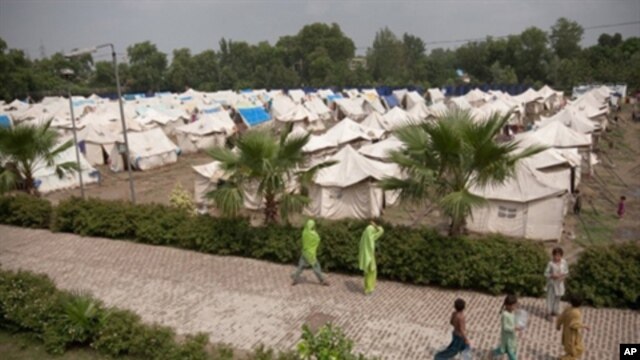
The provisory detention centre for sans-papiers was opened about four months ago in an overnight action by the Ministry of Citizen Protection and Public Order. It is one of three mass detention centres – the others are located in Xanthi and in Komotini – which were set up by the new government in the summer to fit the thousand arrested sans-papiers captured during the Xenios Dias sweep operation. There have been repeated protests by the mayor of Corinth against the creation of this detention centre. He even reached the point to cut off the water supply.
Corinth provisory detention center in a former army camp
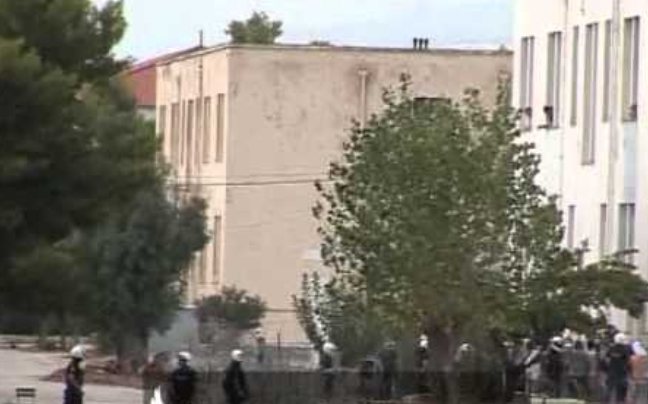
The building was originally an army camp at the outskirts of Corinth city. Sans-papiers were arrested in massive sweeps and were brought from various places, such as Corinth and Patras, to this detention centre. A couple of NGOs have tried ever since to enter the prison in order to monitor the situation, screen the detainees and offer legal aid, but access has been denied. They could only see a hand full of detainees of whom they had their names in advance.


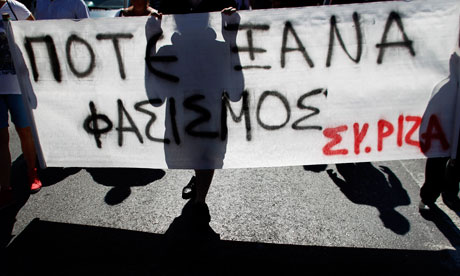
Yesterday, solidarity groups from Patras and Corinth but also from other places hold a protest in front of the detention centre. A delegation of seven persons entered the detention centre (with 2 parliamentarians of Syriza, a doctor, a lawyer, interpreters and members of the Movement for the Support of the Rights of Refugees and Migrant of Patras as well as the Antirascist Initiative of Corinth) More than 650 persons were detained in the overcrowded detention centre for the reason of “illegal entry”, “illegal stay” or “illegal exit” to/in/from Greece.
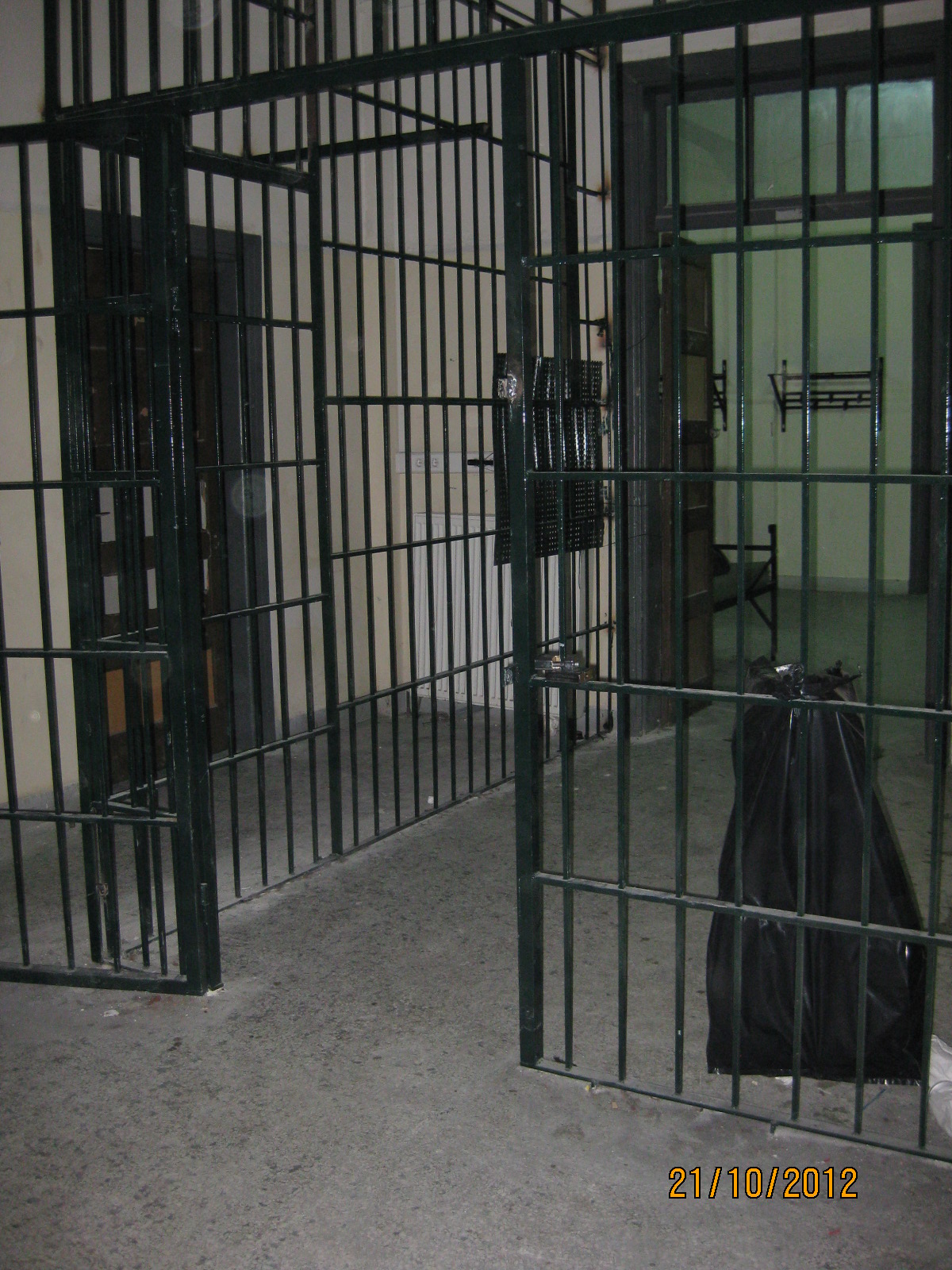
“centre of hospitality” or prison?!

Detainees reported to the delegation that they were lacking warm water, they have insufficient food, no access to information and lawyers and seldom visits of doctors always without any interpreters, many lack medicine they need to take and thus remain sick in their cells. 
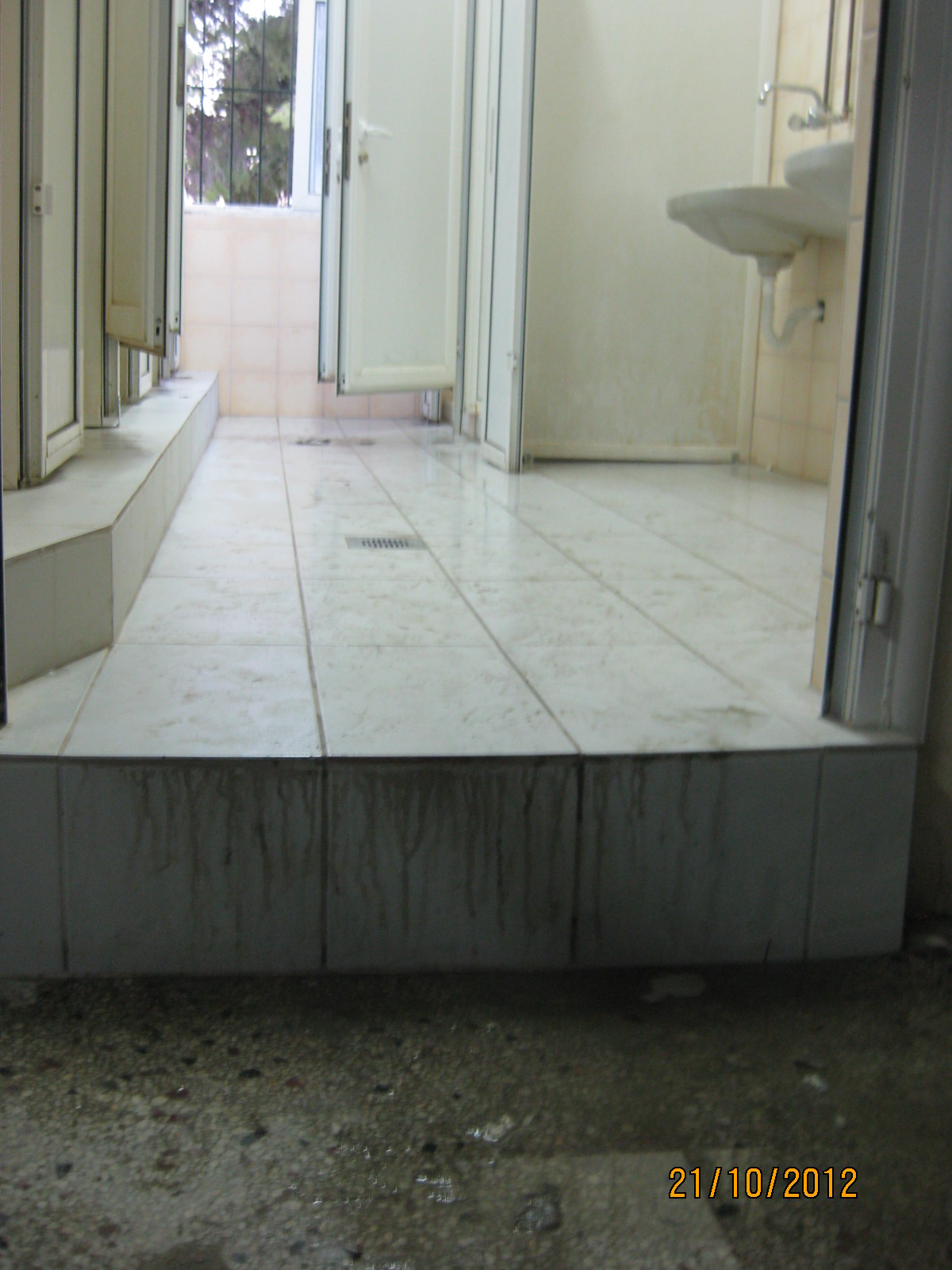
No warm water and no hygiene…

Among the detainees were many minors, there were family fathers whose families upon their arrest were left behind without anyone to take care, there were persons who wanted to apply for asylum but could not manage and others who had applied 4 months earlier but were not released within the legal maximum period of detention for asylum seekers (3 months). Others had managed to apply for asylum but received during detention the rejection and lacked any information and legal aid to appeal within the given period of 15 days, therefore, falling out of the asylum system.
Reportedly, there are also many cases of ill-treatment by the authorities.
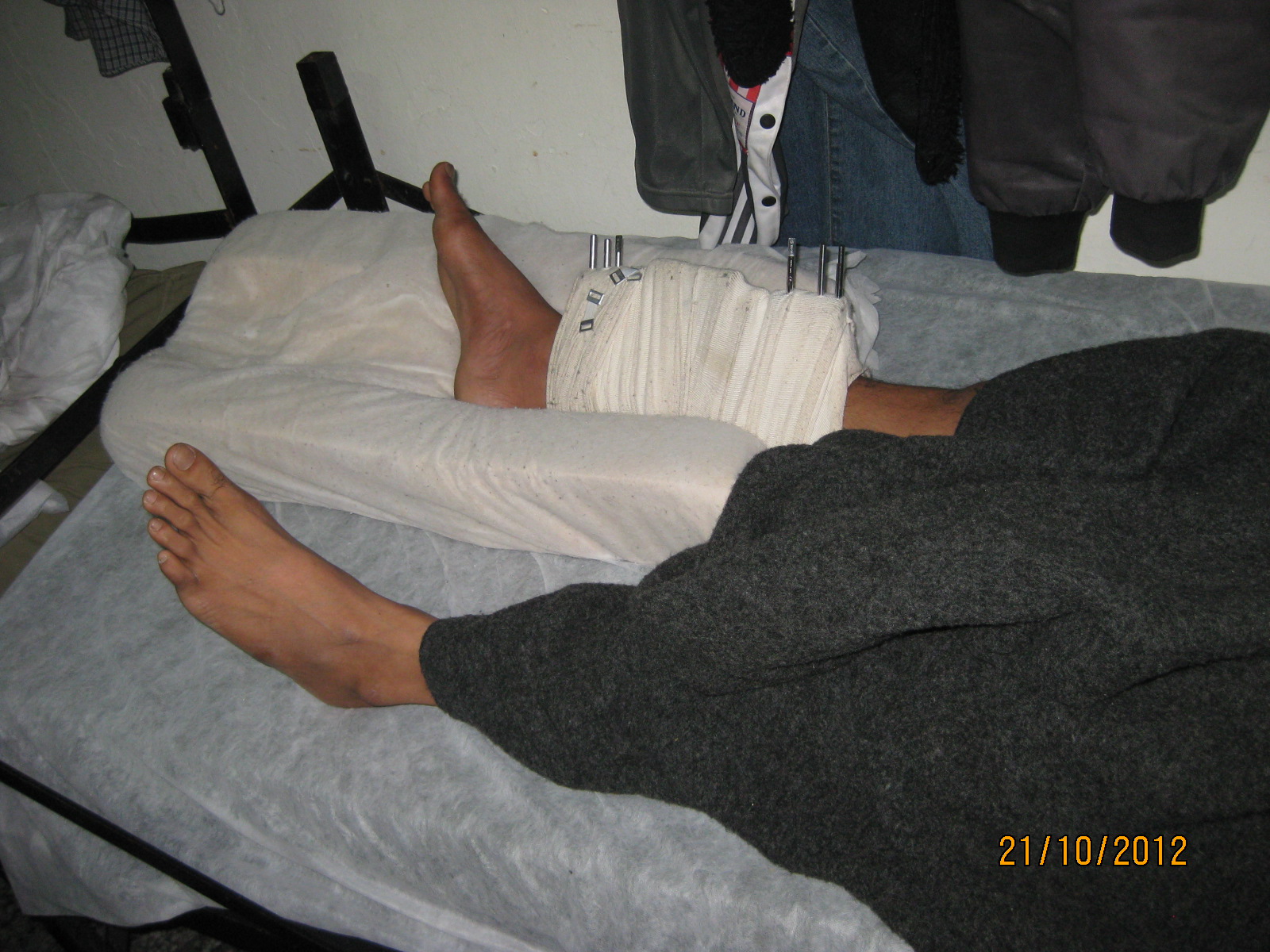
Severely injured detainee.

Thursday, 18 October 2012

پناهجویان افغان در اندونیزیا دچار افسردگی شده‌اند"

سفیر افغانستان در اندونیزیا می گوید حدود پنج هزار پناهجوی افغان در اندونیزیا به سر می برند که بیشتر آن ها به دلیل سرنوشت نامعلوم در وضعیت روانی نامطلوبی قرار دارند.
اندونیزیا گذرگاه اصلی پناهجویان افغانستان به استرالیا است و پناهجویان در کمپ های ملل متحد، بازداشتگاه ها و جاهای مخفی اندونیزیا به سر می برند.
غلام سخی غیرت، سفیر افغانستان در اندونیزیا روز پنجشنبه 27 میزان 1391 در سمیناری که زیر عنوان "بررسی پدیده مهاجرت به استرالیا" در کابل برگزار شد، گفت که حکومت افغانستان نمی تواند برای این پناهجویان کاری انجام دهد.
غیرت گفت: "دولت افغانستان هیچ کاری کرده نمی تواند؛ دلیلش این است که پناهجویان از سازمان های بین المللی تقاضای پناهندگی کرده اند. زیرا پناهجویان زیر نظر آی. او. ام. هستند و از سوی این سازمان تداوی و تغذیه می شوند. اگر افغانستان مداخله کند، آن ها حمایت این سازمان را از دست می دهند".
به گفته آقای غیرت، کسانی هم هستند که ده سال را به امید رسیدن به استرالیا در اندونیزیا سپری کرده اند. غیرت گفت بیشتر پناه جویان افغان از ایران و یا پاکستان به اندونیزیا آمده اند.
آمار نامعلوم غرق شدگان
غلام سخی غیرت، سفیر افغانستان در اندونیزیاغلام سخی غیرت، سفیر افغانستان در اندونیزیا
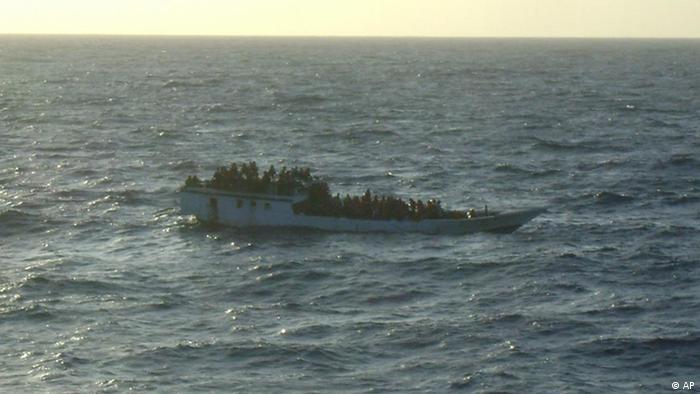
در مدت سه ماه اخیر، دو کشتی حامل پناهجویان که در آن افغان ها نیز بودند در آب های اندونیزیا غرق شدند.
سفیر افغانستان گفت برخی از غرق شدگانی که وابستگان آن ها معلوم نمی شوند، در خاک اندونیزیا دفن شدند. او گفت برخی از پناهجویان پس از غرق شدن کشتی چهار روز در آب مانده اما بالاخره نجات یافته اند.  
آقای غیرت خاطرنشان کرد که سرنوشت بیش از 100 تن از غرق شدگان هنوز معلوم نیست. او می گوید شاید تعداد غرق شده ها به مراتب بیشتر از این باشد زیرا سفارت افغانستان در اندونیزیا آماری از پناهجویانی که غرق شده اند، ندارد.
سفیر افغانستان در اندونیزیا در رابطه به این که آیا برای هزاران پناهجوی افغان زمینه قبولی در استرالیا فراهم است یا خیر گفت: "اگر زمینه ای هم وجود داشته باشد، شاید دست کم ده سال وقت بگیرد. تعداد پناهجویانی که استرالیا می پذیرد بسیار معدود است اما تعداد پناهجویان فوق العاده زیادند. اما سازمان های ملل متحد کار می کند تا برای آن ها کشور دیگری را جستجو کنند".
سه گروه پناهندگان
مسوولان سفارت افغانستان در اندونیزیا می گویند سه گروه از پناهجویان افغان در اندونیزیا به سر می برند.
سفیر افغانستان در اندونیزیا می گوید که آمار دقیقی از شمار قربانیان مهاجرت غیرقانونی به آسترالیا در دست نیست.سفیر افغانستان در اندونیزیا می گوید که آمار دقیقی از شمار قربانیان مهاجرت غیرقانونی به آسترالیا در دست نیست.
حدود 2000 نفر از پناهجویان که از سوی "سازمان جهانی مهاجرت" یا آی. او. ام. ثبت شده اند، آزادانه زندگی می کنند و دارای وضعیت معیشتی نسبتا خوبی هستند. اما سه تا پنج هزار پناهجوی دیگر در بازداشتگاه هایی که به شکل زندان هستند، زندگی می کنند.
به گفته این مقام افغان، گروه دیگری از پناهجویان به صورت غیرقانونی در اندونیزیا به سر می برند که نه در بازداشتگاه ها هستند و نه هم زیر پوشش خدمات سازمان جهانی مهاجرت قرار دارند.
آقای غیرت وضعیت زندگی در بازداشتگاه های اندونیزیا را تاسف بار خواند: "در پنج جزیره مختلف پنج بازداشتگاه است. کسانی هستند که تا دو سال مانده اند و من یک نوع افسردگی روانی و یک نوع اضطراب روانی را در آن ها می بینم که واقعا اندوهگین است. اما تعدادی از جوانان امیدوار هستند".
شماری از جامعه شناسان به این نظرند که عوامل مختلف سبب شده است تا افغان ها کشورشان را به قصد استرالیا ترک کنند.
جواد برهانی استاد جامعه شناسی در دانشگاه خصوصی کاتب در این سمینار گفت، تلاش برای دسترسی به کار، پول و آسایش دلیل اصلی مهاجرت به استرالیاست. او گفت کسانی که نا امنی در افغانستان و جاذبه های زندگی در استرالیا نیز سبب شده اند تا افغان های با سطح اقتصادی خوب تر نیز به سوی این کشور مهاجرت کنند.
حسین سیرت / کابل
ویراستار: عاصف حسینی

Tuesday, 16 October 2012

نگرانی ها پیرامون افزایش مهاجرین افغان

افغان ها بزرگترین رقم مهاجرین را در جهان تشکیل می دهند. در حال حاضر در حدود 2.7 میلیون افغان، تنها در کشور های ایران و پاکستان زندگی می کنند.

نگرانی مهاجرت های بیشتر
همزمان با خروج قوای خارجی از افغانستان در سال 2014،  نگرانی ها در خصوص سرازیر شدن بیشتر افغان ها به کشور های همسایه و سایر نقاط جهان به میان آمده است.
اما مقامات افغان این نگرانی را رد کرده می گویند که افغان ها به خاطر مشکلات اقتصادی و امنیتی آن 
کشور را ترک میگویند.

واکنش هاو تحلیل ها 
اسلام الدین جرأت رئیس اطلاعات وزارت مهاجرین افغانستان در مصاحبۀ با رادیو آشنا گفت که درگیری ها در مناطق مختلف افغانستان و بیکاری دو دلیل عمده در بطی ساختن برگشت مهاجرین افغان تلقی می شود: "سال 2014 قسمیکه در سایر عرصه ها در افغانستان نگرانی ها را ایجاد کرده و شماری از افغانها نا آگاهانه از سال 2014 نگرانی داشته و به صورت غیر قانونی دست به مهاجرت به کشور های دیگر دنیا می زنند. باید بگویم که بعد از سال 2014 حکومت افغانستان هم از لحاظ ساختاری تکمیل می شود و هم به سوی خود کفایی می رود و افغان های ما نباید نگران باشند."

به گفتۀ او بعد از سال 2009 حدود 15 درصد از 5.7 ملیون نفری که به افغانستان برگشته بودند دوباره به کشور های همسایه مهاجرت کنند.
نگرانی های وجود دارد که شاید بعد از سال 2014 باز هم تعداد کثیری از افغان ها مجبور به ترک آن کشور شوند.
اما اسلام الدین جرأت رئیس اطلاعات وزارت مهاجرین این نگرانی افغان ها را بی مورد عنوان کرد:"امیدوار استیم که بیشتر شاهد ازدیاد کتلۀ پناهندگان افغان نباشیم. ولی متاسفانه در سال گذشته افغانها بزرگترین کتلۀ پناهندگان را در سطح جهان تشکیل می دادند. "

نادر فرهاد سخنگوی کمیشنری عالی سازمان ملل متحد در امور پناهندگان افغانستان به رادیو آشنا گفت که هر کسی می تواند به خاطر مشکلات عدیدۀ که در کشور خودش با آن مواجه است، به سایر کشور ها پناهنده شود. اما این را هم گفت که امیدوارند تعداد بیشتر افغان ها یکبار دیگر مجبور به ترک منازل و دیار شان نگردند:

تعداد کثیری از مردم به خاطر جنگ های داخلی، خشکسالی ها، زلزله و دیگر آفت های طبیعی مجبور به مهاجرت های داخلی می گردند. و افغانستان نیز یکی از این کشور ها است که در حال حاضر بیجا شدگان داخلی در آن با مشکلات عمدۀ مواجه می باشند.

اما آقای جرأت می گوید که وزارت مهاجرین در قبال بی جاشدگان داخلی وظیفه دارد تا این افراد را دوباره به مناطق شان انتقال دهد و از طریق تماس با موسسات مختلف داخلی و بین المللی به وضیعت این افراد رسیدگی صورت گیرد. اما به گفته او تا هنوز تعریف مشخصی در مورد بی جاشدگان در پروژه های انکشافی افغانستان وجود ندارد:"به همین خاطر در آغاز سال روان جلسات داشتیم تا به یک پالیسی واحد در قبال بیجاشدگان دسترسی یابیم. تا یکی دو ماه دیگر پالیسی و ستراتیژی که بتواند یک راه حل دراز مدت را برای بیجاشدگان پیش بین باشد به پارلمان افغانستان ارایه خواهیم داشت."

کمیتۀ بین المللی صلیب سرخ گزارش می دهد که حدود 72 ملیون نفر در سرتاسر جهان در سال گذشته به خاطر عوامل مختلف مانند درگیری های مسلحانه، حادثات طبیعی و یا هم پروژه های بزرگ انکشافی مجبور به مهاجرت شده اند.

Sunday, 14 October 2012

آلمان بررسی تقاضای پناهندگی را سرعت می بخشد


هنس پیتر فریدریش، وزیر داخله آلمان می خواهد با اتخاذ تدابیر فوری، افزایش تقاضای پناهندگی را متوقف کند. او گفته است قبل از همه در آینده نباید متقاضیان پناهندگی از "کشورهای مطمین" به آسانی به آلمان بیایند.
دلیل اتخاذ تدابیر فوری برای متوقف کردن ورود مهاجرین، افزایش آشکار شمار متقاضیان پناهندگی از دو کشور صربستان و جمهوری مقدونیه در آلمان است. در ماه گذشته تقریباً 2400 تن از شهروندان این دو کشور به آلمان آمده اند تا در این جا تقاضای پناهندگی بدهند.
این در حالی است که براساس معلومات وزارت داخله آلمان، امکان قبولی پناهندگان از این دو کشور صفر است. در جمله 575 مورد قبولی تقاضاهای پناهندگی در آلمان در ماه سپتمبر، یک شهروند صربستان و یا جمهوری مقدونیه نیز شامل نبوده است.
بررسی فوری و برگشت فوری
هنس- پیتر فریدریش، وزیر داخله آلمان
براساس گزارش وزارت داخله آلمان، 45 هزار تن منتظر جواب تقاضا پناهندگی شان در این کشور به سر می برند. وزیر داخله آلمان می خواهد با اتخاذ سه تدبیر مشخص شمار متقاضیان پناهندگی را کاهش دهد.
او در این باره توضیح داد: "اولاً باید بررسی تقاضای پناهندگی تا حد ممکن به سرعت انجام شود؛ دوم، متقاضیانی که شرایط لازم را ندارند، باید به زودی به کشورهای شان بازگشت داده شوند، و سوم ما باید در سطح اروپا در این راستا فعالیت کنیم که بار دیگر مقررات ویزا برای شهروندان صربستان و مقدونیه وضع شود".
مقام های امور خارجی و ایالت های آلمان در رابطه با رد و پذیرش مهاجرین غالباً با مشکلات زیاد مواجه هستند. برای بررسی فوری تقاضای پناهندگی، شمار کارمندان دفاتر مربوطه قرار است در ایالت های آلمان افزایش یابد. علاوه بر آن در نظر گرفته شده است که نیروی پولیس آلمان فدرال داخل عمل شود تا جریان بررسی تقاضای پناهندگی سرعت یابد و برای اخراج متقاضیان پناهندگی، ایالت های جداگانه آلمان مسوول  هستند.
از دید وزیر داخله آلمان، اتحادیه اروپا باید در این زمینه فعالانه اقدام کند. او گفت برای کاهش شمار متقاضیان از کشورهای بالکان، با ریاست شورای اتحادیه اروپا در تماس شده است. شورای وزرای داخله قبل از این در ماه اپریل همین سال تصمیم های لازم را در همین رابطه گرفته است که باید عملی شوند.

Thursday, 11 October 2012

برنامه اسکان مجدد آلمان برای پناهجویان

آلمان کسانی را که مشمول برنامه اسکان مجدد می شوند، از اردوگاه های مهاجران مستقیما به آلمان می آورند. این پناهجویان اجازه دارند به صورت قانونی و برای همیشه در آلمان باقی بمانند.
برای بسیاری مهاجران رسیدن به اروپا به یک خیال و رویا می ماند. شمار زیادی در جستجوی یک پناهگاه به کام مرگ می روند که این بیشتر برای بزرگ سالان، زنان و کودکان صادق است. تنها در سال 2010، شمار پناهجویانی که می خواستند بحیره مدیترانه را عبور کنند و در این راه جان سپردند، به 1500 نفر می رسید.
اندریا کوتن از سازمان غیردولتی "پرو اسیل" که برای حمایت از پناهجویان کار می کند، می گوید: «برای سال ها آلمان به خاطر مسوولیت های بین المللی اش در برابر سیاست مهاجران زیر فشار قرار می گرفت که انسان ها را با رنج های شان تنها می گذارد. بنابراین، ما می توانیم از فیصله وزیر داخله برای مشارکت در برنامه اسکان مجدد به گرم ترین شکل استقبال کنیم».
برنامه اسکان مجدد آلمان
مهاجران با قبول خطرات خود را از طریق بحر به اروپا می رسانند.
اسکان مجدد در سیاست مهاجران جمهوری فدرالی آلمان یک برنامه کاملاً نو است. کسانی که مشمول برنامه اسکان مجدد می شوند از اردوگاه های مهاجران در ترکیه یا تونس گرفته شده و مستقیماً به آلمان آورده می شوند. آنها اجازه دارند در این جا باقی بمانند. این باقی ماندن کاملاً قانونی و طبعاً برای همیشه است.
البته بار اول در سال 2011 بود که آلمان شامل یک همکاری الزام آور گردید. اوه شونه مان، وزیر داخله ایالت نیدرزاکسن در حاشیه یک ملاقات ویژه گفت: «سازمان مهاجران ملل متحد باید ما را یک شریک قابل اعتماد بشمارد. بنابراین ما، وزرای داخله 16 ایالت آلمان، سالانه پذیرش دایمی 300 پناهجو را قبول کردیم».
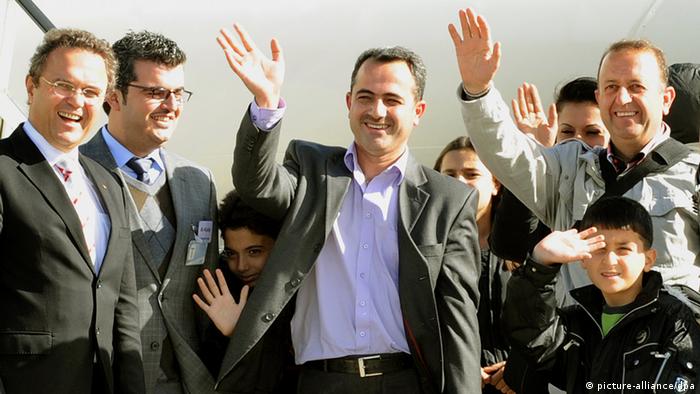
روز سه شنبه (18 میزان 1391/ 9 اکتوبر 2012) میدان هوایی هانوور، ورود 150 زن، مرد و کودک عراقی را خیر مقدم گفت که برای این برنامه پناهجویان انتخاب شده بودند. مطابق به معیارهای کمیساریای عالی پناهندگان سازمان ملل متحد، این پناهجویان عراقی به طور خاص نیاز به حمایت داشتند. یک کمیسون آلمانی بعد از ارزیابی های بسیار جدی چنین تصمیمی گرفت. اکنون برای این «انتخاب شدگان» زندگی نو آغاز شده است، زندگی توام با صلح و امنیت.
چشم اندازها در یک کشور بیگانه
اکثر این نوواردان هنگام آخرین جنگ های عراق به ترکیه فرار کرده بودند. برگشت آنها به کشور، به مثابه اعضای اقلیت مذهبی آسوری ها و کلدانی ها، ممکن نیست. ترکیه کمتر می تواند در برابر جریان قوی مهاجران تاب بیاورد. 50000 مهاجر سالانه از مناطق جنگی و جنگزده آسیا و افریقا برای رفع نیازهای عاجل شان به ترکیه می روند.
اندریا کوتن می گوید: «بسیاری آدم ها صرف برای یک ماه پناه نمی جویند، بلکه برای سال ها به این کار روی می آورند و آنهم بدون هرگونه امنیت حقوقی. چیزی نادری نیست که در این اردوگاه های پناهندگان کودکانی به دنیا می آیند. باید به چنین خانواده هایی چشم انداز زندگی را پیشکش نمود».
وزیر داخله ایالت نیدرزاکسن: سالانه 300 پناهجو را قبول می کنیم.
چشم انداز زندگی در یک کشور خارجی، کار ساده ای نیست. درعین زمان آلمان نیز چنین تجربه ای دارد. بین سال های 2009 و 2010 جمهوری فدرالی آلمان در یک مورد خاص قراردادی برای 2500 مهاجر عراقی بست. آنها نیز باید برای همیشه در آلمان باقی می ماندند. با این هم بسیاری آنها با رسیدن به این وطن جدید شان تا امروز به مشکلات مواجه اند. مشکلات زبانی و بی کاری همچون موانعی بر سر راه ادعام موفقانه آنها قرار گرفته اند.
کورس زبان و اجازه کار
سیاست گذاران از این تجارب اطلاع دارند. وزیر داخله نیدرزاکسن در صحبتی با دویچه وله اطمینان داد که «ما مطمین هستیم که کمک ها جهت ادغام شدن مهاجران عراقی موثر واقع می شوند». قبلاً تدابیری گرفته شده است تا مهاجران را برای زندگی در کشور جدید شان آماده سازد. مددگاران اجتماعی آلمانی در ترکیه سفر کرده اند تا به پناهجویان در آنجا در مورد آینده آنها در آلمان صحبت کنند و نخستین جملات آلمانی را با آنها تکرار کنند.
پناهجویان عراقی که اکنون در «اردوگاه مرزی فردیناند» به سر می برند، دو هفته را در آنجا می گذرانند. پس از آن در مناطقی مانند ایالت هسن، بایرن، براندنبورگ، راینلند فالس، زاکسن و زاکسن انهالت می آیند تا آموزش های حرفه یی و شهادتنامه های آنها در آلمان به رسمیت شناخته شود و به زودی به کار استخدام گردند. این مهاجران باید در موقعیتی قرار بگیرند که پول مخارج شان را پیدا کنند . قرار است آنها به طور دایمی در آلمان بمانند.
اندریا کوتن به این نظر است که سرانجام ادغام موفقانه این پناهجویان بستگی به حمایت از آنها دارد، به طور مثال «آیا مردم در مورد اداره های کاریابی، در مورد این که مهاجران بلافاصله در آلمان کار کرده می توانند به آنها اطلاع می دهند. زیرا ادغام در عین زمان تنها در بازار کار ممکن شده می تواند».
تجارب آلمان از اسکان مجدد در مراحل کاملاً آغازین آن می باشد. در مقایسه با سایر کشورهای اروپایی، جمهوری فدرالی آلمان به پناهجویان کمتر حق اقامت دایمی می دهند. به طور مثال سویدن سالانه 1800 پناهگزین را می پذیرد که شش چند قبولی پناهجویان در آلمان است.

Tuesday, 9 October 2012

Greek anti-fascist protesters 'tortured by police' after Golden Dawn clash

Fifteen people arrested in Athens says they were subjected to what their lawyer describes as an Abu Ghraib-style humiliation


Fifteen anti-fascist protesters arrested in Athens during a clash with supporters of the neo-Nazi party Golden Dawn have said they were tortured in the Attica General Police Directorate (GADA) – the Athens equivalent of Scotland Yard – and subjected to what their lawyer describes as an Abu Ghraib-style humiliation.
Members of a second group of 25 who were arrested after demonstrating in support of their fellow anti-fascists the next day said they were beaten and made to strip naked and bend over in front of officers and other protesters inside the same police station.

Several of the protesters arrested after the first demonstration on Sunday 30 September told the Guardian they were slapped and hit by a police officer while five or six others watched, were spat on and "used as ashtrays" because they "stank", and were kept awake all night with torches and lasers being shone in their eyes.
injuries fromth e Greek policeBruising on the protester's leg
Some said they were burned on the arms with a cigarette lighter, and they said police officers videoed them on their mobile phones and threatened to post the pictures on the internet and give their home addresses to Golden Dawn, which has a track record of political violence.
Golden Dawn's popularity has surged since the June election, when it won 18 seats in parliament; it recently came third in several opinion polls, behind the conservative New Democracy and the leftwing party Syriza.
Last month t that victims of crime have been told by police officers to seek help from Golden Dawn, who then felt obliged to make donations to the group

Protester injured during arrest in Greece
One of the two women among them said the officers used crude sexual insults and pulled her head back by the hair when she tried to avoid being filmed. The protesters said they were denied drinking water and access to lawyers for 19 hours. "We were so thirsty we drank water from the toilets," she said.
One man with a bleeding head wound and a broken arm that he said had been sustained during his arrest alleged the police continued to beat him in GADA and refused him medical treatment until the next morning. Another said the police forced his legs apart and kicked him in the testicles during the arrest.
"They spat on me and said we would die like our grandfathers in the civil war," he said.
A third said he was hit on the spine with a Taser as he tried to run away; the burn mark is still visible. "It's like an electric shock," he said. "My legs were paralysed for a few minutes and I fell. They handcuffed me behind my back and started hitting and kicking me in the ribs and the head. Then they told me to stand up, but I couldn't, so they pulled me up by the chain while standing on my shin. They kept kicking and punching me for five blocks to the patrol car."
The protesters asked that their names not be published, for fear of reprisals from the police or Golden Dawn.
A second group of protesters also said they were "tortured" at GADA. "We all had to go past an officer who made us strip naked in the corridor, bend over and open our back passage in front of everyone else who was there," one of them told the Guardian. "He did whatever he wanted with us – slapped us, hit us, told us not to look at him, not to sit cross-legged. Other officers who came by did nothing.
"All we could do was look at each other out of the corners of our eyes to give each other courage. He had us there for more than two hours. He would take phone calls on his mobile and say, 'I'm at work and I'm fucking them, I'm fucking them up well'. In the end only four of us were charged, with resisting arrest. It was a day out of the past, out of the colonels' junta."
In response to the allegations, Christos Manouras, press spokesman for the Hellenic police, said: "There was no use of force by police officers against anyone in GADA. The Greek police examine and investigate in depth every single report regarding the use of violence by police officers; if there are any responsibilities arising, the police take the imposed disciplinary action against the officers responsible. There is no doubt that the Greek police always respect human rights and don't use violence."
Sunday's protest was called after a Tanzanian community centre was vandalised by a group of 80-100 people in a central Athens neighbourhood near Aghios Panteleimon, a stronghold of Golden Dawn where there have been many violent attacks on immigrants.
According to protesters, about 150 people rode through the neighbourhood on motorcycles handing out leaflets. They said the front of the parade encountered two or three men in black Golden Dawn T-shirts, and a fight broke out. A large number of police immediately swooped on them from the surrounding streets.
According to Manouras: "During the motorcycle protest there were clashes between demonstrators and local residents. The police intervened to prevent the situation from deteriorating and restore public order. There might have been some minor injuries, during the clashes between residents, protesters and police."
Marina Daliani, a lawyer for one of the Athens 15, said they had been charged with "disturbing the peace with covered faces" (because they were wearing motorcycle helmets), and with grievous bodily harm against two people. But, she said, no evidence of such harm had so far been submitted. They have now been released on bail of €3,000 (£2,400) each.
According to Charis Ladis, a lawyer for another of the protesters, the sustained mistreatment of Greeks in police custody has been rare until this year: "This case shows that a page has been turned. Until now there was an assumption that someone who was arrested, even violently, would be safe in custody. But these young people have all said they lived through an interminable dark night.
Dimitris Katsaris, a lawyer for four of the protesters, said his clients had suffered Abu Ghraib-style humiliation, referring to the detention centre where Iraqi detainees were tortured by US soldiers during the Iraq war. "This is not just a case of police brutality of the kind you hear about now and then in every European country. This is happening daily. We have the pictures, we have the evidence of what happens to people getting arrested protesting against the rise of the neo-Nazi party in Greece. This is the new face of the police, with the collaboration of the justice system."
One of the arrested protesters, a quiet man in his 30s standing by himself, said: "Journalists here don't report these things. You have to tell them what's happening here, in this country that suffered so much from Nazism. No one will pay attention unless you report these things abroad."


Tuesday, 2 October 2012

Greece: police protects fascists, more racist attacks, more police pogroms, more clashes with fascists


in the evening of Sunday, Sep 30th the third anti-fascist motorcycle patrol spotted nazis in the area of Amerikis Square in Athens and clashed with them. Soon thereafter, the anti-fascists were brutally attacked by the police. Many antifascists were injured and 23 arrested. Next day, approximately 300 people gathered in the courthouse of Athens in solidarity with the arrested. When the imprisoned anti-fascists exited the building to to be transferred back to the police HQ, the police attacked the gathering, chasing people inside the courthouse’s yard and then in the nearby streets. Approx. 20 more people were detained during the police operation. In total, 4 people were arrested and they will appear in the court on Tuesday morning
On Saturday September 29, in the city of Volos, in  Thessaly, a nazi gathering took place at the office of the Nazi group Golden Dawn. Soon people gathered and start shouting anti-Nazi slogans and booing, tension emerged and the MP of Golden Dawn Illiopoulos pulled the gun that he carries.

On Monday afternoon (October 1sr), 50 members of the “Patriotic Movement”, fraction of the Gloden Dawn party, gathered outside Paranesti Immigrant Detention Center, near the city of Drama. One of them fired two gunshots against the detention center…
Some days ago, antifascists managed to cancel an announced action of the Glolden Dawn nazi party in the open market of the town of Arta and on Friday September 28 antifascists cancelled a nazi demo in the town of Kozani. On Monday October 1st, clashes between nazis and antifascists took place in the town of Serres.
The racist attacks continue: the last one took place on Sunday in the town of Eleusina, were two immigrants from Pakistan were beaten by fascists. The racist attacks since the beginning of 2012 are more than 600… And on Monday October 1st, police forces launched a “Zeus Xenios” operation in the town of Patras.
In the town of Thessaloniki there was a minor incident too, when few fascists tried to terrorize immigrant street-vendors in the center of the city.
P.S. 1: Police has also started attacking squats in Greece. Delta squat was evicted in September 12, last Sunday a squat was evicted in the town of Veroia, and rumor has it that Yfanet squat in Thessaloniki will be the next. Yfanet is an important place were, for example, David Graeber, John Holloway, George Caffentzis and Silvia Federici, among others, have given speeches the last years...
P.S. 2: Police violence is raising. Police forces use extreme violence in many occasions. On September 9th there was a demonstration against an announced open-pit gold mine in Chalkidiki. People from the nearby villages and people from Thessaloniki, Athens and other towns clashed for two hours with riot police inside the forest of Skouries. Police forces targeted demonstrators with tear-gas cartouches, shooting them directly on the demonstrators. As a result, many demonstrators suffered burns in their bodies, legs and arms and one demonstrator had his injured spleen removed after surgery. He remains in hospital...   
You probably realize the importance of antiracist/antifascist/anticapitalist solidarity actions throughout Europe...