Friday, 24 October 2014

دولت سویدن به پناهجویان اخراجی داروی آرام بخش حاوی مواد مخدر تزریق می کند

یک بررسی تازه در سویدن، نشان می دهد که دولت این کشور به آنعده از پناهجویان اخراجی که در زمان اخراج از خود مقاومت نشان می دهند نوع دارویی آرام بخش تزریق می کند.


در این بررسی گفته شده است این دارویی آرام بخش حاوی مقدار زیاد مواد مخدر است که پناهجویان معترض را از پرخاش و مقاومت در برابر ماموران پولیس باز می دارد.
رادیو سوئد، در این مورد تحقیق کرده و محتوای تحقیق را در برنامه موسوم به ̎کالیبر̎ نشر کرده است.
در چند سال اخیر، اخراج پناهجویان از سویدن شدت گرفته است و روزانه ده ها پناهجو به دلایل مختلف از این کشور اخراج می شوند.
هنوز شمار دقیق پناهجویان که از این کشور اخراج می شوند در دست نیست.
به تازگی دولت سویدن، ۳۵ تا ۴۰ پناهجویی افغان را پس از صدور حکم اخراج شان، شب هنگام از استهکلم به کابل انتقال داد.
هرچند در نزدیک کمپی که این پناهجویان نگهداری می شدند، شماری از فعالان دفاع از حقوق پناهندگی و مردم تظاهرات کردند، اما در نهایت این شمار از پناهجویان به شکل اجبار از سویدن اخراج شدند.
پیشتر، در چندین مورد، مردم مانع اخراج پناهجویان از سویدن شدند.
سرنشینان یک هواپیمای مسافر بری زمانی که از حضور یک پناهجوی اخراجی ایران در هواپیما مطلع شدند، از بستن کمربندهای ایمنی شان خودداری کردند و بلاخره ماموران پرواز مجبور شدند این پناهجو را از هواپیما پایین کنند.
خلاف قانون
رادیو سوئد، گزارش داده که تزریق دارویی آرام بخش حاوی مواد مخدر به پناهجویان خلاف قانون و مقررات پذیرفته شده دولت سویدن است.
مسوولیت اخراج پناهجویان به عهده اداره موسوم به حمل و نقل سازمان زندان های سویدن است و این اداره به شکل مستقیم متهم به زیر پا گذاشتن قانون شده است.
این اداره دولتی مسوولیت اجرایی کردن احکام اخراج پناهجویان از سویدن تا کشور اصلی شان را به عهده دارد.
شماری از پناهجویان گفتند که در هنگام اخراج نخست لت و کوب شدند و سپس به زور دارویی آرام بخش به آنها تزریق شده است.
دولت سویدن و یا اداره حمل و نقل سازمان زندان های این کشور تا هنوز در این مورد واکنشی نشان نداده اند.

Sunday, 5 October 2014

هشدار


لطفن این پیام هشدار را تا جایی که می توانید بین دوستان خود شریک کنید!
هشدار: عملیات گسترده پولیس اروپا برای بازداشت مهاجرین و پناهجویان!
پولیس اروپا عملیات گسترده ای را با نام "موس مایورم" از تاریخ 13 تا 26 ماه اکتبر راه اندازی می کند. در جریان دو هفته 18000 مامور پولیس، افرادی را که اسناد اقامتی ندارند تحت تعقیب قرار می دهند. آن ها می خواهند مسیرهای مهاجرت را شناسایی و تا جایی که بتوانند افراد را بازداشت نمایند. لطفن به آنانی که اسناد اقامتی ندارند هشدار دهید! انتظار می رود در جریان این عملیات، کنترول قطارها، ایستگاه های قطار، میدان های هوایی (فرودگاه ها)، بزرگراه ها و مرزهای داخلی اروپا افزایش یابد.
 

Sunday, 17 August 2014

پلیس بریتانیا: نجات‌یافتگان کانتینر از سیک‌های افغانستان هستند,


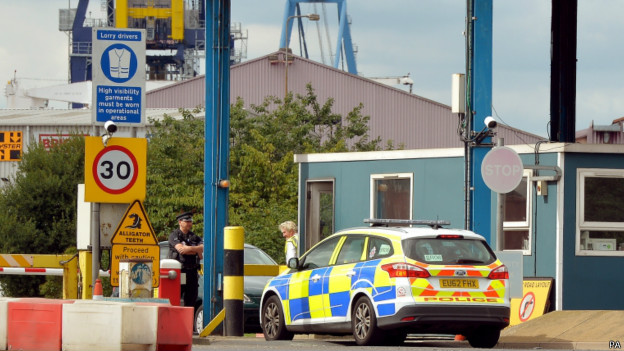
  1. پلیس در اسکله تلبری اسکس مشغول بررسی کانتینر و تحقیق درباره این اتفاق است
پلیس بریتانیا می‌گوید ۳۵ زن، مرد و کودکی که در یک کانتینر باری در اسکله‌ای در جنوب بریتانیا پیدا شده‌اند، از سیک‌های افغانستان هستند.

ماموران پلیس بریتانیا بعد از کشف این کانتینز متوجه شدند که یکی از افراد داخل آن، جان خود را از دست داده است.
بیشتر افرادی که سوار این کانتینر بودند، دچار سرمازدگی شده و آب بدن خود را از دست داده‌ بودند. 
۳۰ نفر از این افراد از بیمارستان مرخص شده و مشغول پاسخگویی به سوال‌های ماموران پلیس مرزی بریتانیا هستند. هنوز چهار نفر دیگر در بیمارستان هستند که گمان می‌رود تا پایان روز یکشنبه مرخص شوند.
کشتی باری حامل این کانتینر جمعه، از بلژیک راهی شده و حدود ساعت شش صبح شنبه به وقت محلی، وارد اسکله تلبری بریتانیا شده بود.
پلیس بریتانیا و پلیس بین‌الملل (اینترپل) مشغول بررسی این اتفاق هستند تا مشخص شود این کانتینتر چگونه از بلژیک به بریتانیا اعزام شده، مسافران کجا سوار کانتینر شده‌اند و برای افراد داخل آنچه اتفاقی افتاده است.
'ترور رو' سربازرس پلیس اسکس بریتانیا می‌گوید حالا مشخص شده که این افراد اهل افغانستان و از پیروان آیین سیک هستند.
به گفته آقای رو در حال حاضر سلامت کسانی که در کانتینر بوده‌اند برای پلیس اولویت دارد و در مرحله بعد بازپرسی با کمک مترجمان ادامه خواهد داشت.
کارگران اسکله زمانی متوجه این افراد در کانتینتر شدند که پس از رسیدن کشتی باری و وقتی که خالی کردن بار آن را شروع کرده بودند، متوجه صدای "داد و فریاد و ضربه‌هایی" شدند که از داخل یک کانتینر شنیده می‌شد.
حدود ۵۰ کانتینر دیگر هم در این کشتی بررسی شد، تا اطمینان حاصل شود که فرد یا افراد دیگری در آن‌ها گرفتار نشده‌اند.

بی‌بی‌سی فارسی .

گمرک بریتانیا ۳۵ نفر را در کانتینر پیدا کرد


کارکنان اسکله در حال خالی کردن کانتینرها از یک کشتی باری بودند که از داخل یکی از آنها صدای فریاد شنیدند

ماموران گمرک بریتانیا در اسکله تلبری در شرق بریتانیا ۳۵ نفر، از جمله چند زن و کودک را داخل یک کانتینر باری پیدا کرده‌اند.
گفته شده است که ظاهرا این افراد از اهالی شبه‌جزیره هند هستند. اغلب آنها که دچار سرمازدگی شده و آب بدن خود را از دست داده‌اند، برای رسیدگی پزشکی به بیمارستان‌های منطقه اعزام شده‌اند.
کشتی باری حامل این کانتینر یک روز قبل، از بلژیک راهی شده و حدود ساعت شش صبح به وقت محلی، وارد اسکله تلبری شده بود.
وقتی کانتینر حامل این افراد پیدا شد، یکی از مردانی که داخل آن بود، جان خود را از دست داده بود و به همین دلیل، پلیس پرونده‌ای را برای قتل تشکیل داده است و برای پیگیری آن، با پلیس بلژیک در ارتباط است.
ترِور رو، یکی از مقامات پلیس منطقه گفت که کارکنان اسکله پس از رسیدن کشتی باری و وقتی که خالی کردن بار آن را شروع کرده بودند، متوجه صدای "داد و فریاد و ضربه"هایی شدند که از داخل یک کانتینر می‌آمد.
به گفته او،
حدود ۵۰ کانتینر دیگر هم در این کشتی باری بود و تمام آنها بررسی شده‌اند تا اطمینان حاصل شود
 که فرد یا افراد دیگری در آنها گرفتار نشده‌اند.
این افسر پلیس اضافه کرد: "این موضوع، مساله‌ای بشردوستانه است و آرامش این افراد که بیمار هستند، در اولویت است."
او گفت که در نهایت، این افراد با کمک مترجم سوال و جواب خواهند شد.
هنوز مشخص نشده است که آنها در کجا وارد کانتینر باری شده‌اند. مقامات پلیس گفته‌اند که در حال بررسی احتمال دست داشتن "باندهای قاچاق انسان یا هر فرد دیگری" در اعزام این گروه در چنین شرایطی به بریتانیا هستند.

Tuesday, 5 August 2014

Greek Farmers Accused of Shooting 28 Migrant Workers Have Walked Free

In April of 2013, four Greek farmers were accused of shooting at nearly 200 mostly Bangladeshi migrant workers, who were demanding six months of unpaid wages. A total of 28 of the workers were injured in the incident, four of them badly.
Two of the men — the farm's owner and a supervisor — were acquitted on charges of human trafficking and causing grievous bodily harm today.
The attack, which occurred on a strawberry farm in the Peloponnese town of Manolada, has sparked outrage in a country where migrant labor abuses are not rare, but shooting at staff is.
“This is both scandalous and disgraceful,” Demetrios Papademetriou, senior fellow and President Emeritus of the Migration Policy Institute in Washington, DC, told VICE News. “We’re talking about a population — migrant workers who are working illegally and exist in a country in an illegal status — as the most vulnerable of the most vulnerable... In terms of the hierarchy of people who move, we’re talking about the very bottom, the most exploitable, the ones whose rights are almost uniformly violated by just about any definition of the word ‘rights’ or ‘violation.’”
The incident occurred after the migrant workers, who according to a lawyer representing a group of them, had been working without pay for 6 months, demanded pay from their employers. According to witnesses, the foremen then began shooting at the crowd of workers with shotguns and a pistol. The gunmen then fled the scene, along with the farm's owner.


“We were told we would be paid at one o’clock. Then they told us we should come by later, at five and then finally they told us to go as another group would work and not us. Then three guys [Liedou has named the perpetrators] started shooting straight at us, injuring about 20,” a worker named Liedou told the Greek anti-racism organization UARFT

Video has emerged that was shot immediately after the shooting in Manolada.
Two of the farmers, one of whom was accused of human trafficking, were found not guilty on any charges, and the other two men were found guilty of aggravated assault and possession of illegal firearms, for which they were sentenced to 14 years and seven years, respectively.The accused denied wrongdoing, claiming self defense.
Many migrants summarily protested outside the courthouse today, and the workers’ lawyer, Moisis Karabeyidis, told The Guardian, “I feel shame as a Greek.”
According to Karabeyidis, the workers have still not been paid their wages — 22 euros per day — and could face deportation in September when their worker permits expire.
"This decision ... leaves room for new victims, and turns a blind eye to the brutal, inhuman racist exploitation of workers," Vassiliki Katrivanou, an MP in the left-leaning opposition party Syriza, said in a statement.
In this image taken on Wednesday, April 17, 2013, unidentified migrant workers receive first aid at the Medical Center of Varda, in Greece.
The incident received a great deal of attention in Greece, even resulting in a boycott of fruit from Manolada and a social media protest with the hashtag #bloodstrawberries.
Papademetriou — who estimates that there are roughly one million migrants in Greece, approximately 400,000 of whom are undocumented — describes the situation in the country as a “perfect set of conditions for horrible exploitation.”
There were 151 incidents of violence against refugees and migrants in 2012, according to theRacist Violence Reporting Network, a group of NGOs organized by the Human Rights Commission and the United Nations High Commissioner for Refugees in 2011.
"With the onset of the economic crisis, xenophobia and racial violence escalated substantially," wrote Martin Baldwin-Edwards, co-director of the Mediterranean Migration Observatory, in a July report. "Official indifference continued, with no formal recording of incidents and no interest from the police or public prosecutor’s office in dealing with extreme violence and racial hatred. In fact, in late 2010 the police introduced a 100 euro fee for non-Greek victims of assaults to register a complaint."
Baldwin-Edwards also notes the speediness of the state's Manolada investigation, "possibly owing to the international furor" surrounding the incident.
Though Greece and Bulgaria are often the first European entry points for migrants coming from Asia, they are generally used as stepping stones to other countries in the European Union, where according to Papademetriou, "jobs are more plentiful, where protections are better guaranteed, and where they probably have friends and family.”
But migrants can get stuck in these two countries, unable to move further into Europe and, sometimes, unable to return to their country of origin if they lack proof of citizenship.
Such conditions are further exacerbated by the economic nosedive Greece has experienced during the recession — which has left nearly 30 percent of adults and nearly 60 percent ofyoung people unemployed — and led to the anti-immigrant, racist fears that have allowed for the proliferation of the Golden Dawn party.
"Migrant workers are not welcome in many parts of the world, but I think that Greece may have the distinction of having the nastiest anti-immigrant movement," said Papademetriou.
However, labor conditions for migrant workers around the world are notoriously terrible.
“I wish I could tell you that this is something that is unique to Greece, or that those farmers are sort of a real exception, but I know that this is not unique to Greece,” he said. “And I suspect, with the exception of the shooting, that these kinds of things happen with a great deal of regularity in many, many places around the world, including our own country.”

Friday, 20 December 2013

افزایش اخراج اجباری پناهجویان افغانستان از برخی کشورهای اروپایی

شماری از پناهجویان افغانستان مقیم کشورهای اروپایی و به ویژه سویدن، می گویند که ماموران پولیس به شکل اجباری داخل خانه ها می شوند و پناهجویان افغان را برای اخراج به کمپ های "دیپورتی" انتقال می دهند.
آنان همچنان به خبرگزاری بخدی گفتند که ماموران پولیس سویدن با پناهجویان افغانستان از خشونت کار گرفته، نیمه های شب داخل خانه های پناهجویان می شوند و برای انتقال بی صدا، مهاجران را مواد بی حسی تزریق می کنند.
به گفته پناهجویان، ماموران پولیس مهاجران را دست و پای بسته به هواپیما انتقال می دهند و اسنادی که به دسترس خبرگزاری بخدی قرار گرفته نشان می دهد که حتی برخی از پناهجویان در داخل هواپیما دست و پای بسته به کابل انتقال یافته اند.


به گفته این پناهجویان ماموران پولیس، مهاجران را دست و پای بسته به هواپیما انتقال می دهند و اسناد که به دسترس خبرگزاری بخدی قرار گرفته نشان می دهد که حتی برخی از پناهجویان در داخل هواپیما دست و پای بسته به کابل انتقال یافته اند.
اخیراً اخراج پناهجویان افغانستان به گونه اجباری از کشورهای اروپایی به ویژه سویدن افزایش چشم گیر یافته است.
بیش از شش میلیون شهروند افغانستان در برخی کشورهای جهان به خصوص اروپا زندگی می کنند و شماری از آنان هنوز نمی دانند که سرنوشت شان به کجا خواهد انجامید.
مشکلات زندگی در اروپا
خانم نورزی از پناهجویان افغانستان مقیم سویدن است، او در گفت‌وگو با خبرگزاری بخدی از مشکلات خود چنین گفت: "ساعت ده شب پولیس سویدن پسر هجده ساله ام را از خانه بازداشت کرد، او را برای اخراج از این کشور به یکی از کمپ های دیپورتی پناهجویان منتقل کرد."
شوهر بانو نورزی را چند سال پیش طالبان در ولایت هرات در غرب افغانستان به قتل رساندند و به گفته این خانم، بنابر مجبوریت افغانستان را ترک کرده و همرای فرزندانش به کشور سویدن مهاجر شدند.
شوهر این خانم، انجنیر بود و همرای چند همکارش نخست از سوی طالبان اختطاف و سپس به شکل بی رحمانه کشته
شدند.
خانم نورزی به نمایندگی از پناهجویان افغانستان مقیم در سویدن می گوید که پس از بازداشت پسرش، ده ها پناهجوی افغان در مقابل کمپ دیپورتی سویدن تظاهراتی راه اندازی کردند

خانم نورزی یک دختر و دو پسر دارد، دخترش در شفاخانه بستری است و پسر بزرگش برای اخراج از سویدن در کمپ "دیپورتی" این کشور به سر می برد.
یکی از فرزندان این خانم در راه مهاجرت گم شده و دختر دیگر نورزی در حال حاضر در یکی از بیمارستان های سویدن به دلیل استرس و مشکلات روانی بستری شده است.
او گفت: "به اداره مهاجرت سویدن مراجعه کردم، مسوولان این اداره به ما می گویند، بروید مشکل تانرا را با پولیس حل کنید، وقتی به پولیس این کشور مراجعه می کنیم آن ها می گویند شما باید اخراج شوید، حکم از بالا صادر شده است."
به گفته خانم نورزای، ماموران پولیس سویدن به پناهجویان افغانستان هشدار داده است که تا یک ماه دیگر (جدی) این کشور را ترک کنند.
این نمونه از مشکلات مهاجران افغانستان، مقیم کشورهای اروپایی و بخصوص سویدن است.
غفلت وزارت مهاجرین افغانستان
شماری از کارشناسان مسایل سیاسی، فعالان جامعه مدنی و نمایندگان پارلمان افغانستان می گویند که وزارت مهاجرین و عودت کنندگان افغانستان، در اخراج اجباری پناهجویان افغانستانی از کشورهای اروپایی غفلت کرده است.
رمضان بشردوست، نماینده مردم کابل در ولسی جرگه به خبرگزاری بخدی گفت: "به دلیل کم کاری وزارت مهاجرین و عودت کنندگان کشور، امروز ده ها پناهجوی افغانستان از کشورهای اروپایی اخراج می شوند."
آقای بشر دوست، تاکید کرد که وزارت های مهاجرین و امور خارجه افغانستان، برای پناهجویان افغان مقیم در اروپا برنامه مشخصی ندارند.
خبرگزرای بخدی چند روز متواتر و مکررا با وزارت های مهاجرین و خارجه تماس گرفت اما هیچ مقام این دو وزارت حاضر به گفتگو در مورد مشکلات پناهجویان افغان در سویدن نشدند.
با آنکه وزارت امور خارجه یک سخنگوی دارد اما دسترسی به آقای جانان موسی زی برای رسانه های افغانستان چندان کاری ساده ای نیست.
با این حال، امان الله جواد آمر اطلاعات وزارت مهاجرین و عودت کنندگان افغانستان به خبرگزاری بخدی گفت: "وزیر مهاجرین وعودت کنندگان کشور در هفته آینده برای بررسی مسئله اخراج اجباری پناهجویان افغان از سویدن با مسوولان سفارت این کشور در کابل گفتگو می کند."
آقای جواد می گوید که پس از دیدار جماهیر انوری با مسوولان سفارت سویدن، احتمال دارد هیئتی از طرف وزارت مهاجرین و عودت کنندگان افغانستان، برای بررسی مشکلات پناهجویان افغان در سویدن فرستاده شود.
نامه ای به رییس جمهور کرزی
خانم نورزی نامه ای به رییس جمهوری حامد کرزی، وزیر مهاجرین و عودت کنندگان و سیما ثمر رییس کمیسیون حقوق بشر افغانستان نوشته است.
در بخش نامه این خانم آمده است: "دیپورتی های " مشتا" تحت بازداشت قرار گرفته اند به دلیل اینکه بالای هژده سال عمر دارند و باید به افغانستان دیپورت شوند، پسر خردم را تا یک ماه دیگر به کمپ دیپورتی ها می برند چونکه هژده ساله می شود."
خانم نورزی به نمایندگی از پناهجویان افغانستان مقیم در سویدن می گوید که پس از بازداشت پسرش، ده ها پناهجوی افغان در مقابل کمپ دیپورتی سویدن تظاهراتی راه اندازی کردند
نورزی در نامه اش می نویسد: "این مگر خشونت علیه زن نیست که فرزندش را از کنارش دور می کنند، این در کجای حقوق بشر است و کجایی کنوانسیون ژنیو آمده است."
من منحیث یک مادر و منحیث یک زن که شوهرم را چهار سال قبل از دست دادم از شما دولت مردان افغانستان من خواهم بپرسم که آیا سر نوشت افراد جامعه و شهروندان افغانستان به شما ربطی ندارد؟ منحیث یک زن افغان از شما محترم رئیس جمهور آقای کرزی و وزیر مهاجرین و خانم سیما ثمر درخواست می کنم با سرنوشت ما بازی نکنید، بس است که اینقدر رنج را ما تحمل کردیم و بالای ما تحمیل شد، لطفا مانع دولت سویدن از اخراج اجباری افغانها شوید."
مشکلات جدید برای پناهجویان افغانستان
در همین حال شماری از پناهجویان افغانستان مقیم در سویدن می گویند که وزارت مهاجرین و عودت کنندگان افغانستان، برای آنان مشکل جدید را بوجود آورده است.
آنان تاکید کردند که وزارت مهاجرین و عودت کنندگان افغانستان، از اداره مهاجرت سویدن خواسته که پناهجویان تازه وارد شده به سویدن را از این کشور اخراج کنند.
خانم نورزی به نمایندگی از پناهجویان افغانستان مقیم در سویدن گفت: "پس از بازداشت پسرم و ده ها پناهجوی افغان، در مقابل کمپ دیپورتی سویدن تظاهرات راه اندازی کردیم، اما اداره مهاجرت این کشور به ما گفت که اخراج شما در خواست وزیر مهاجرت خودتان است."
مسئولان اداره مهاجرت سویدن به خانم نورزی گفته اند که آنها تفاهم نامه ای را با وزارت مهاجرین و عودت کنندگان افغانستان امضا کرده اند که براساس این تفاهمنامه، پولیس سویدن در چند هفته اخیر بیش از پنجاه پناهجوی افغانستان را به شکل اجباری اخراج کرده است.
واکنش وزارت مهاجران
مسوولان وزارت مهاجرین و عودت کنندگان افغانستان اما می گویند که با دولت سویدن در مورد اخراج پناهجویان افغان تفاهمنامه ای را امضا نکرده اند.
امان الله جواد، آمر اطلاعات این وزارت به خبرگزاری بخدی گفت: "تاهنوز با دولت سویدن قراردادی را در مورد اخراج پناهجویان افغان به امضا نرساندیم، آمار مشخصی در مورد بازگشتاندن پناهجویان کشور از سویدن نیز در اختیار مانیست."
او می گوید، هر کشوری که مطابق کنوانسیون 1951 ژینوا در قسمت مهاجران افغانستان موافقتنامه امضا کرده و به آن عمل کنند، مورد احترام دولت افغانستان قرار خواهد گرفت.
جواد تاکید کرد که اگر کشوری مطابق موافقتنامه از قبل امضا شده عمل نکنند، دولت افغانستان آنرا یک عمل غیرمطلوب دانسته و به سازمان ملل شکایت خواهد کرد.
خبرگزاری بخدی تلاش کرد که در این مورد نظر وزارت امورخارجه افغانستان را نیز داشته باشد اما موفق به گفتگو با سخنگو و یا مقامات این وزارت نشد.
خبرگزاری بخدی

Wednesday, 11 December 2013

‘Afghan family’ among those deported from Sweden .


around 20 Afghan refugees deported from Sweden arrived at Kabul international Airport today. This is the 4th Mass deportation from Sweden in the past few months. However there have not been many cases were families are deported. But this deportations includes a family of 5 with 3 children .
in a telephonic interviews with Reza’ head of the family who was deported from Sweden yesterday’ confirmed that they were around 20 people but he still didn’t know the exact number of people deported with him in the plane. Reza and the family now lives in Afghan refugee receiving center Jangalak. They are accompanied with some other guys who were deported in the same plane.
According to Ahmad Zaki Khalil, Refugee right activist from Sweden. Reza and his family were arrested from their home early morning of 9th December and transferred to another city by a small charter plane to join other Afghan refugees facing deportation
Zaki says; they were still waiting for the answer to Reza’s case, they had submitted and appeal for Reza’s case. but unfortunately Swedish police had brutally entered their home one early morning and detained and deported them back to Afghanistan ‘ before they get and answer to their appeal
Things were not so normal also in Kabul today as deportees from Sweden were welcomed by a suicide attack/car bomb in the Airport. Today 8 AM in the morning a blast was heard in Kabul international airport. http://www.khaama.com/heavy-explosion-heard-in-capital-kabul-3177
security condition in Afghanistan in General and in specifically in Kabul is getting worse
Which rises a question from those who send people back to such danger.Whether they don’t see such danger? or are they putting a blindfold on their eyes and ignoring all the realities in the ground!

Thursday, 7 November 2013

STOP DEPORTATIONS TO AFGHANISTAN - KABUL DEMO.فراخوان به شرکت در تظاهرات دفاع از حقوق پناهجویان افغانستانی


هموطنان عزیز!
چنانکه می دانید هر روزه خبرهای در مورد بدرفتاری  با پناهجویان و مهاجرین افغانستانی در کشورهای مختلف از ایران و پاکستان گرفته تا اروپا و استرالیا از طریق رسانه های مختلف به نشر می رسد.
فشارواعمال غیر انسانی توسط کشورهای اروپایی و استرالیا در این اواخر برمهاجرینی که با هزار مصیبت خود را به این کشورها رسانیده است هر روز شدت بیشتری می گیرد و این کشورها با اعمال سیاست های تبعیض آمیز یک جنگ تمام عیار را علیه پناهجویان به راه انداخته اند.

با وجود بلند رفتن آمار قتل غیر نظامیان توسط طالبان و دیگر گروه های مسلح، نا امنی روز افزون، بیکاری و بی سرنوشتی هزاران مهاجری که از کشورهای ایران و پاکستان به افغانستان برگشته اند، کشورهای اروپایی و استرالیا سیاست دپورت این پناهجویان را به شدت تعقیب می کنند و روزانه ده ها نفر از این پناهجویان به کابل دپورت می شوند.

همین حالا قرارگزارش ها صد ها تن ازمهاجرین افغانستانی در زندان های انفرادی ومراکزدپورت کشورهای اروپایی در بدترین وضعیت به سر می برند. اعمال فشار بر خانواده های این پناهجویان، ایجاد فشار های روانی و جسمی کار هر روزه این دولت ها در قبال پناهجویان هموطن ماست .
قوانینی  را که دولت های  اروپایی و استرالیا در این اواخر به تصویب رسانیده اند تحمیل هر چی بیشتر بی حقوقی و وضعیت ناگوار برای پناهجویان افغانستان در پی داشته و موجب اعتراض های زیادی در خود این کشورها توسط مهاجرین شده اند.

اعتصاب مهاجرین در سویدن؛ تظاهرات در ناروی، اعتصاب و تظاهرات در بلژیک و هالند و استرالیا تاثیر زیادی بر وضعیت این پناهجویان نگذاشته که دلایل مختلفی دارد که دو دلیل عمده آن را ما در اینجا خاطر نشان می کنیم .
  • 1- کشورهای اروپایی با اقدامات غیر انسانی شان علیه پناهجویان می خواهند بار بحران سیستم سرمایه داری را بر دوش پناهجویان بگذارند و طوری جلوه دهند که این پناهجویان استند که موجب این بحران شده اند تا بدین وسیله از زیر بار مسولیت شانه خالی کنند.

  • 2- وزارت مهاجرین دولت افغانستان با بعضی از این کشورها توافق نامه های را به امضا رسانیده اند که به اساس آن می توانند پناهجویان را به جبر دپورت کنند. اسناد و مدارکی وجود دارد که نشان می دهد در این چند ماه گذشته پناهجویانی از کشورهای مثل ناروی و سویدن به افغانستان دپورت شده اند که حتی مدارک سفرو تصدیق هویت با خود نداشته اند و پلیس فرودگاه کابل با گرفتن رشوه این پناهجویان را از پلیس آن کشور ها تحویل گرفته اند. در بین این مهاجرین دپورت شده کسانی استند که اصلا تابعیت افغانستان را ندارند و از کشورهای مثل پاکستان و ایران بوده اند.

توافق نامه وزارت مهاجرین دولت افغانستان در حالی با این کشورها به امضا رسیده که این وزارت همین حالا نتوانسته است کوچکترین امکاناتی را برای مهاجرینی که از کشور های ایران و پاکستان رد مرز شده اند فراهم کنند .  بسیاری از این مهاجرین رد مرز شده از پاکستان و ایران در بدترین شرایط در زیر خیمه ها و بدون اب اشامیدنی و مکتب و مدرسه برای کودکان شان و هزاران مشکلات دیگر در گوشه گوشه کابل اسکان داده شده و زمستان سال گذشته چند کودک به اثر سرما جان شان را در مقابل چشم صد ها انجوی و موسسه ای که به نام کار برای پناهجویان و حقوق بشر در این کشور فعالیت می کنند از دست دادند.

در چنین شرایطی که دولت افغانستان در بسیاری از مناطق حاکمیت ندارد و سیاست مصالحه با طالبان را در پیش گرفته و طالبان نیز با بمب گذاری ها و حملات انتحاری به کشتار شان ادامه می دهند، امضای توافق نامه با کشورهای اروپایی و استرالیا برای بازگرداندن پناهجویان جفای بزرگی در حق خانواده های پناهجویان، پناهجویان و مردم افغانستان است.

مدافعین حقوق بشر، حقوق مهاجرین، فعالین مدنی و دانشحویان عزیز!
امروز صد ها تن از هموطنان مهاجر ما که در زندان های کشورهای اروپایی به خاطر سیاست های غلط وزارت مهاجرین و دولت افغانستان به سر می برند منتظر کمک و همیاری شما می باشند. 32 هزار مهاجردر استرالیا که  قبلا اجازه موقت زندگی را دریافت کرده بودند وتعداد زیادی از آنها را هموطنان ما تشکیل می دهند حالا با تصویب قانون جدید در این کشور امکان دارد دوباره به کمپ های تحقیر آمیز و زندان فرستاده شوند و بعد از آن نیز تعداد زیادی از انها دپورت خواهند شد. به همین شکل صد ها نفر در کشورهای اروپایی در مراکز دپورت به سر می برندو  شما با شرکت در این تظاهرات و نه گفتن به سیاست ضد انسانی دولت افغانستان و کشورهای اروپایی و استرالیا  کمکی بزرگی به این هموطنان تان می کنید .

قرار است این تظاهرات پر شکوه با حضور شما در روز شنبه همزمان با استیضاح وزیر مهاجرین افغانستان برای پاسخ دهی به رسوایی های مالی و رشوت خوری در وزارت مهاجرین در مقابل پارلمان افغانستان برگذار شود.

بنا:
وعده ما روز شنبه 9 نوامبر ساعت 8 تا 10 صبح  نزدیک پارلمان افغانستان

some of those who have been brutally deported to Afghanistan will demonstrate outside the National Parliament buildings in Kabul. 

At that time, the Minister of Refugees and Repatriation will be question by Parliament about charges of serious corruption at the Ministry. At the same time, the protesters will accuse him of colluding with foreign governments, enabling them to deport vulnerable people back to Afghanistan. 

The demonstrators will demand 
a) an end to deportations to Afghanistan

b) that the Afghan government and the Ministry for Refugees and Repatriations in particular cease their collusion with foreign governments and defend the rights of their citizens

c)All European countries and Australia must treat Afghan refugees according to international law, and give them full access to all legal assistance according to their rights

d) that those who claim to be defenders of Human Rights abide by their duty to those whose own governments cannot
protect them.

Monday, 4 November 2013

مرکز فرهنگی و هنری مولاناجلال الدین بلخی


افتتاحیه نخستین مرکز فرهنگی وهنری مولاناجلال الدین بلخی در شهر اتن.

دراین مرکز بخشهای مختلفی از قبیل کتابخانه، آموزش زبان یونانی، انگلیسی، فارسی، آموزش موسیقی و تئاتر در تمام سنین برای خانمها و آقایان،سرگرمیهای مختلف کرمبول و شطرنج همه روزه از صبح الی شب وجود دارد

ناگفته نماند که همکاری شما هموطنان عزیز را با آوردن کتاب در کتابخانه از قبیل کتابهای دری – فارسی برای این مرکز خواهانیم


عکسهای مختلف از روز افتتاحیه 


آیا پناهندگی سنودن در آلمان ممکن است؟

http://www.dw.de/%D8%A2%DB%8C%D8%A7-%D9%BE%D9%86%D8%A7%D9%87%D9%86%D8%AF%DA%AF%DB%8C-%D8%B3%D9%86%D9%88%D8%AF%D9%86-%D8%AF%D8%B1-%D8%A2%D9%84%D9%85%D8%A7%D9%86-%D9%85%D9%85%DA%A9%D9%86-%D8%A7%D8%B3%D8%AA/a-17202767

Tuesday, 29 October 2013

Thanks to the people in Mitilini!

P1210081  P1210084
To
The village of all together
Siniparxis in Aegeais
ERGATIKI LESXI – Workers Center in Mitilini
ERA AEGAIOU – Radio Era
Club of the fishermen of Thermi-Poseidon
3 whales who showed up shortly after the memorial in Thermi
The mayor of Mitilini
The administration of Tsamakia beach- ADEL
Hotel Votsala
Epimelitirio for giving the possibility to show the exhibition
Web for the printings
The boys from Agiassos
And all who have welcomed us on Lesvos and supported us in so many ways…
20th of October 2013
Dear people in Mitilini,
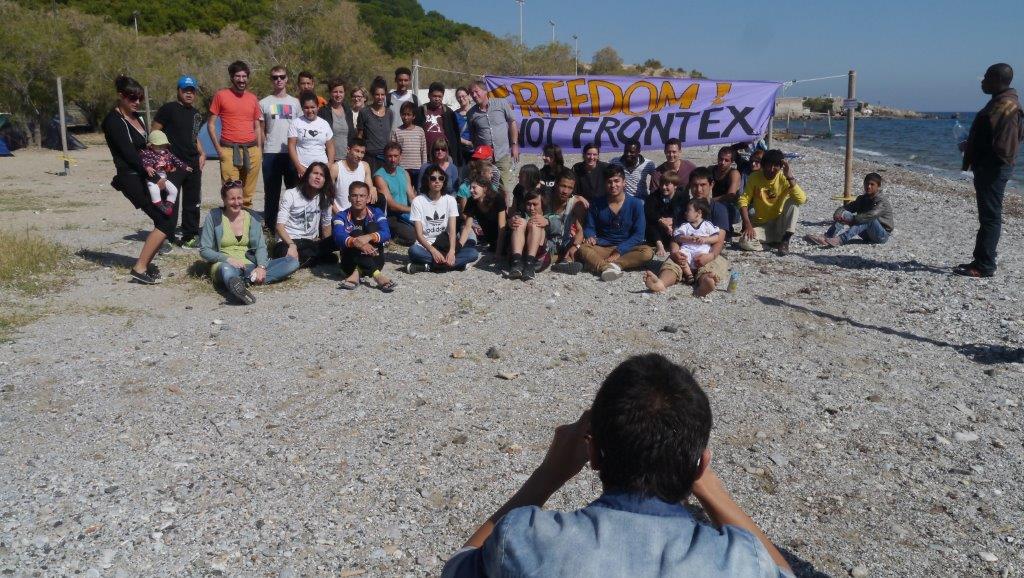
we have left the island – many of us with the feeling of having left a place where we all felt at home somehow. This feeling is mainly dedicated to all of you: without you this journey back to the border would have never been possible! We want to thank all of you. We will never forget the warm welcome you gave to us. We left with the feeling of a great experience and with a lot of strength for all coming struggles.
We left also with worries for all those we had to leave behind.
Our worries are with all those who are still imprisoned in the detention centre close to Moria. We wish all of them that they will overcome this horrible place and that they will arrive safely at their destination, in the country they wish to arrive and settle.
Our worries are with all those who will start tomorrow or in the following days, weeks and months from Turkey with a boat. We wish to be able to stop the senseless border regime of Frontex that risks their lives soon.
Our worries are with all those who are still in Agiassos and struggle for some hope for their future. We hope the new period of Agiassos will establish proper conditions for all minors arriving on the island and will give them a home like many of us had found it for a period of time in Villa Azadi, the house of freedom. We hope that all those who have to leave this home will always be able to count on the hospitality of the people in Mitilini who have proved with Pikpa that a village of all together is possible.
Our worries are with all of you, who remain in this place that is so full hopes and dreams but also tragedies. We thank all of you for having shared your experiences of being pressed by the Troika, of being unpaid in your workplace or having lost it and who have to struggle the same struggle for survival than us on a daily level.
For us it was not easy to leave this place. With some of you we could not even say good-bye. We would have liked to stay with you. In our hearts the idea of a welcoming island at the entrance of Europe remains. We want to give you a promise: we will return again! Until then we will do our best to spread all the stories about incredible encounters with people who gave us the strength to continue.
We hope we can leave some memories for you and to have been able to express properly what belongs to all of you who have been involved to keep alive the idea that humanity is possible. That it is possible even when there are forces who try to put pressure on your island to host all these ugly forces of a deadly border regime.
We want to continue together with you. May Lesvos be known as a place full of memories of successful struggles against prisons and walls and the war against refugees at sea. We want no more victims of this regime. We want to stop this senseless loss of lives.
In our heart and mind we are still here with you. We want to continue the struggle together with you and we will reach finally what we are longing for.
Against all prisons and walls!
For another, a welcoming Europe!
Welcome to europe and JOG-Youth without borders
     P1210236        

Saturday, 26 October 2013

My wife and children didn’t pass away. They were murdered by Europe”

Wasim Abu Nahi, 36, a Syrian refugee of Palestinian descent, recently underwent an almost indescribable personal tragedy.
It came to pass on July 21, as Turkish traffickers dropped him off on the cliffs in front of the Greek island Samos, accompanied by his thirty-year-old wife Lamise, his four-year-old son Oday and his tiny daughter Layan, who was nine months old.

Wasim Abu Nahi
Since the Greek coast guard refused to provide assistance, and since his wife was injured and both his children were exhausted and dehydrated, Wasim left them behind to search for water, food and any help he could get. He was soon arrested and imprisoned by the local police, who refused to even listen to his pleas. As he sat helplessly in his cell, a forest fire broke out on the island, eventually claiming the lives of Lamise, Oday and Layan. The police’s reaction to this unspeakable tragedy was to arrest Wasim’s two Syrian companions who had sailed with him to Greece and charge them with causing the fire, even though there wasn’t a shred of evidence to support the charges.

After keeping Wasim imprisoned for five more weeks, they eventually let him go. With the help of friends and local activists, he immediately travelled to Athens, where he met with his nephew from Sweden. Together, they then returned to Samos and, after a few gut-wrenching hours, found the remains of Wasim’s family. Utterly broken, Wasim travelled back to Athens, where he is now stranded. Since he hasn’t been awarded refugee status, he cannot even file for an asylum. He is living with one of his Syrian acquaintances in the anarchist quarter called Excarhia, which was where I met him. What follows is his story. A story about Europe. A story about the human race.

“My family and I, we used to live in Dubai, but in the spring I lost my job. I come from Latakia by the Mediterranean sea. In 1948, my parents fled from Haifa to Syria to escape the Jewish terror. A large part of my family remains there still. So my first impulse after losing my job was to return to Syria, I wanted to help – I could no longer just stand by and watch the destruction of the land and the suffering of my relatives. But my wife convinced me my first duty was to the future of our children. Layan, my little girl, was only a few months old. Returning to Syria was simply not an option. We decided we would head to Turkey and try to worm our way into the European Union. Our ultimate goal was to reach Sweden, because I have some relatives there.”


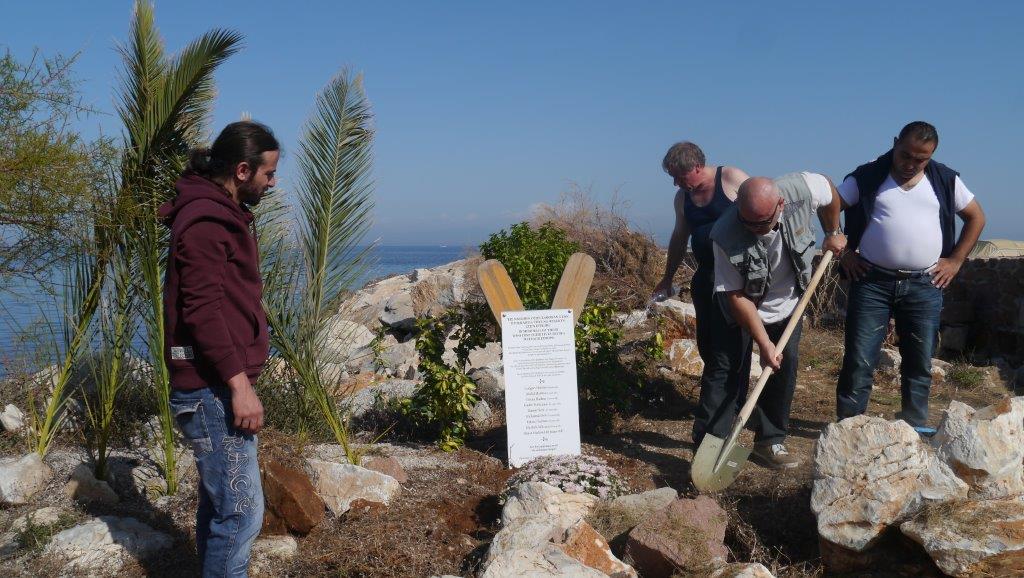
Bostjan Videmsek from Lesbos. Symbolic funeral for victims of the European immigration policy
Wasim Abu Nehi was telling his story in a quiet, monotone voice, and his gaze was focused on some undefinable, unfathomable point in the distance.

In Turkey, some friends got him in touch with the local human traffickers. Because of its proximity to several Greek islands, the Turkish coastline is one of the key points of entry for the ragged, starving immigrants from all over the world who had set out for the promised land called European Union. Yet the vast majority of these refugees from war and unimaginable poverty are quick to learn that, for them, the EU is no promised land, but merely a xenophobic, racist and bureaucrat-dominated new circle of hell.

Wasim, too, was quick to admit he’d allowed his expectations to run high.

“I wanted to go to Sweden, where my nephew could help me find some work. Everything had already been arranged, you know. My wife and children would have probably been awarded refugee status, since they had Syrian citizenship. It would have been a bit harder for me, since I only have Palestinian papers, but I know I would have gotten by somehow.” With an audible lump in his throat, Wasim was telling me this in a murky street in Athens, where the ever-present smell of marijuana mixed with the smell of grilled meat. As he was telling me how his entire life was burnt to cinders in a single day, he kept weeping and shuddering and hugging himself for what pitiful semblance of comfort he could get. He told me that some psychiatrist gave him a prescription for tranquilizers, but these only made him feel worse. He reached into his pocket and produced a grimy grey cellphone.

“This was my daugher,” he clicked through the pictures: “This was my son. This was my wife. My family…” Tears were flowing down his cheeks. He looked up into the darkening sky. In a small quiet voice, he started to pray. Then he pressed the button that brought up one final image.

“This is what we found after the fire.” The picture, like a heavy blow to the ribs, showed me a heap of charred bones and some family jewelry.

“I came to Europe and immediately lost everything. I had come here to live, not to die. My wife and children didn’t pass away. They were killed. They were murdered by the Greek police. By Europe.”

Clenched fists. Firmly shut eyes. This was Wasim Abu Nahi, screaming his silent, impotent pain inside an abyss; in total darkness.

Betrayal

“On the boat, one trafficker and two male refugees from Syria, Jihad and Mohaned, were also present. We sailed from the Turkish town of Cukhuhazi at half past seven in the morning. It took us around four hours to get to Samos. We met no one on our journey. The trafficker unloaded us beneath a huge cliff and told us we were in Greece. In Europe. He told us to climb to the top of the cliff. We shouldn’t have any problem with that, he smiled. Up there, we were supposed to find a trail with someone waiting for us, a person who would arrange our further passage to Athens. There were six of us, and we only had a liter and a half of water between us. We were also running very short on food. We believed the trafficker that everything was in order. So we reached dry land and started to climb. It was awfully, awfully hot. Both my children were exhausted. My wife felt very ill. But after five hours of torture, we somehow made it to the top. Up there, we found nothing, only thorns and rocks. There was no trail, no path, no nothing. We were very high up, and all we could see was the ocean. But I still felt quite optimistic. It felt like we were so wonderfully close to our salvation!”

But salvation, for this fate-whipped band of migrants, was very far away.
The Turkish trafficker had chosen to dump Wasim’s family on one of the most remote parts of the otherwise beautiful island of Samos. Once Wasim grasped what had been done to him, he fell into a rage. Night was descending upon the travellers, and the family had already run out of food and water. Jihad, the 44-year-old fellow refugee from Syria, somehow managed to get the Turkish coast guard on his cellphone. They informed him that they were powerless to act, since the band of migrants was officially on Greek territory. They sent him an SMS with the number of their Greek counterparts, which Jihad immediately dialled. A woman answered and promptly told him they would all get arrested for illegally entering the country. After being informed about the exhausted and dehydrated children, the woman promised she would immediately send help. It was agreed that, once the coast guard ship was near, the migrants would send it light signals to indicate their location.

After two hours of miserable huddling on the rocks, the band of travellers indeed glimpsed a ship headed in their general direction. They immediately started a small fire. Wasim told me that the ship eventually stopped close to the coastline and flooded them with heavy, powerful light beams. “We thought we were saved. But the ship simply turned and sailed away. We didn’t know what to do! We waited, and after twenty minutes the ship returned. But this time, we were unable to start a fire. Our only lighter had gone bust, you see. So we tried to signal it with our cellphones, but the ship turned around and disappeared again. Jihad called the number we’d been given, and the same woman answered and told him they hadn’t even sent the ship out yet, so it couldn’t possibly have been one of theirs. We all felt that was horribly weird, but what could we do save to keep begging to be rescued? And then the cellphone’s battery ran out. We decided to wait until morning. We lay down on the ground, hungry and thirsty as we were. Around five in the morning, we set off in a pretty much random direction. Mohaned, the younger of the two Syrians, went off ahead while Jihad kept pace with us. My wife could barely walk. I was carrying both children and most of our luggage. At a certain point, my wife fell down on the ground and couldn’t get up. She told me to press on and get help, while she would stay there and keep watch over the children… Those are the last memories I have of them.”
Once more, the man telling the story was overcome with tears. His eyes were puffy, his face deeply traumatized. His body was prone to sudden spasms, as if he were being tortured with electro-shocks from afar. Suddenly, he took my hand, looking even more lost and confused than before. “My daughter was nine months old,” he said: “On October 19, my son would have turned four.”
On that fateful night, Jihad, too, had been too exhausted to keep walking. He gave Wasim a sacred promise he would remain with his wife and children and keep watch. Faced with an extremely difficult decision, Wasim chose to go on and seek help.
“So I forged ahead. It had to be done, there was no getting around it. I kept walking for a while, then, on the other side of the island, I descended down toward the sea again. My aim was to reach the first available village or beach and alert the people to our plight. The only way I could get to the beach on the other side of the bay was by swimming. There were many sharp rocks in the water. I swam up to one of them, and then a small fishing boat came floating by. I called out for help, but the man in the boat looked away, he was probably afraid of me. People on dry land could not hear my cries. I had drunk a lot of seawater, and I felt very sick. Then I saw the first helicopter, swooping down to collect some water from the sea. After that, many more helicopters came to put out what I later learned was a huge forest fire, and planes as well. Smoke was rising up into the air in the distance. I got so scared I almost lost control of my sanity. I started to scream and jump up and down on that rock jutting from the sea… I would have done anything to draw attention to myself. And then I glimpsed a house.” Wasim threw himself into the water and started swimming for his life. When he reached the shore, he was still screaming at the top of his voice. A Greek man stepped out of the house and informed him about the forest fire. He gave him water and some clothes, then he called the police. It was in the early morning of July 23.
The policemen arrived very quickly.
“They immediately arrested and handcuffed me. They wouldn’t listen to anything I had to say. They took me to the local police station and threw me in a cell. Only later they called for an interpreter. Crying uncontrollably, I told him my family was dying. I begged for his help. He went away, and after some more time passed, a policeman came to collect me. He took me by boat to the vicinity of the place where I parted from my wife and children. That particular patch was still unconsumed by the fire, but the fire was raging all around. I asked the policeman to take me up there to dry land. But he refused. I was hand-cuffed, there was nothing I could do. He immediately turned the boat and took us back toward the harbour. Why did we even set off in the first place?!, I kept wondering hysterically. But this time, the policeman took me to another police station.”
As they arrived there, Wasim saw his family’s luggage lying on the ground. For a blessed instant, he was convinced that his loved ones were safe. It was all he cared about, but in the station’s prison he pnly found Jihad and Mohaned. Jihad informed him that his wife had been unable to walk, so he had chosen to proceed by himself.
Murder

“Jihad was arrested 44 hours after I left my wife and children. He and Mohaned were charged with starting the forest fire. Without so much as a shred of evidence! Today, they are still imprisoned on Samos, waiting for the trail which is some five or six months away. They threw me in jail again as well. During the first nine days, they only took my handcuffs away when I needed to urinate. One evening, one of the policemen dragged me to his office and forced me to watch pornographic movies to break my will as a devout Muslim.”

When, after a good long while, they started interrogating him in earnest, Wasim told his story in its entirety to the prosecutor. “I cried all the time. I was absolutely desperate. Even then I somehow knew the worst had already happened. None of the policemen went to search for my family. Finally, a representative of the United Nations came to visit my cell and promised to take care of everything. Four more days passed, maybe five. The policemen assured me they had searched the area and found nothing. I spent fourteen more days in that prison. And then – without so much as a word – they transfered me to a local detention centre for the immigrants.

From there, Wasim was able to call his nephew in Sweden, who immediately made the trip to Greece. But since he was an immigrant himself, he should have obtained a special permit from the authorities, and immediately upon his return to Sweden his passport was confiscated. In the detention centre, Wasim was also helped by a lawyer named Marianna and a Syrian activist named Aziz who invited him to come live with him for a while in Athens. Almost a month after that horrible, fateful night, Marianne officially filed three missing persons claims for Lamise, Oday and Layan. Only then the policemen on Samos set themselves in motion. Yet they still claimed there was nothing to be found. Wasim himself was forbidden from moving around the island. The detention centre was really just a prison with a politically correct name. The crime committed by the poor souls locked within its walls was to have been born in the wrong part of the world. In the promised land called EU, such a crime often merits the death penalty.

After his long wait in prison, Wasim’s lawyer and activist friends helped him to finally obtain a set of papers which entitled him to a six-month stay in Greece. In official bureaucratspeak: since he came from Syria, a country consumed by war, his deportation had been ‘delayed for six months’. After he got the papers, he went to Athens and then quickly returned to Samos. Accompanied by his nephew and by Aziz, he started searching the area where he had last seen his loved ones. It didn’t take long before he found their remains. “Their bones and jewelry…” he said and showed me the nauseating picture on his cellphone again. “This is all that was left of them. They murdered them by refusing to help them. They had more than enough time. They knew all they needed to know. We could have easily been saved by the coast guard. We found the bones a mere two hundred meters away from where that policemen took me with his boat. We are now having a DNA analysis made. Once the results are in, I am going to file a suit against those who are responsible. Against the murderers of my wife and children. Apart from legally leaving Greece, this is now the only goal I have left. I am a dead man. I don’t have any reason to go on living. They took everything from me, and there was nothing I could do. I still feel like I am drowning.”

For the last time during our meeting, Wasim Abu Nehi dissolved in a spasm of uncontrollable sobs. Then he repeated: “My wife and children did not pass away. They were murdered by Europe.”

Sunday, 20 October 2013

No to a new Pagani

No to a new Pagani: The detention camp on Lesvos/Greece near Moria is the Pagani of the Troika!   On Thursday we finally

 received the answer from Athens: With a short “no” the headquarter denied the access for “Youth without Borders” a selforganisation of young refugees who had applied at the Police Department Lesvos for an official delegation to visit the newly built detention camp on Lesvos close to the village of Moria. Many of us had been in the past imprisoned as well in what was called by a Greek minister “Dantes Inferno”. This old detention centre Pagani had to be closed after we struggled all together from inside and outside shouting for weeks and months “Azadi! Freedom!” until the last refugees had been released in the end of 2009. The very short negative answer to our official application proves what we already knew before: on the old military base close to Moria they try to hide again an inhuman prison. The official plan to treat refugees on this island remains the same: to keep them behind barbed wire, isolated from the society. The only thing that has changed is the amount of money coming from the EU to finance it.
Also without giving us access to speak with the detainees they cannot hide it any more. We have not been waiting for any bureaucratic procedures. In all our struggles to go further we have already learned that rights are nothing to beg for but to take them by ourselves. If you don’t want to close your eyes you just see what is happening – and you feel the need to get active.
We have already been inside the new detention camp on last Saturday, 12th of October 2013. After having met the first people released from this prison and having heard their sad stories we decided to go there and to have a look. When we went to the prison we found the door open and so a spontaneous Go-In-demonstration took place. About 50 activists, many of them selforganised refugees, went to the fenced containers with about 80 detainees on an old military area near the small village of Moria (10 km from Mytilini). Usually a gate should avoid direct contact, but as the door was not locked, we all went inside to talk to the jailed migrants and to put some banners on the fences. Obviously the police was surprised. Direct communication between the new arrived and the old-experienced refugees could happen in many languages. Visitor cards from www.w2eu.info and flyers were distributed through the fences.
The authorities tried to make the local population believe that they build a welcome and reception centre. They tried to hide the plans with dozens of container blocks also for long term detention with finally more than 700 detainees who can be held there up to 18 months. When we left the area of the detention centre on Saturday we went on to the small village of Moria to make another demonstration, to distribute our flyers (see below) and to come into a lot of discussions with the people on the street and in the cafés. Beside the main slogan – “No to a new Pagani, yes to a real welcome centre” – we used also a smaller banner with the text: “Pagani tis Troika, Pagani of the Troika!” – as the “modern” container style of detention is financed and forced by EU. A lot of people in Moria expressed their worries that the name of their village will become a shameful meaning like Pagani had it in the past. An old men sitting in a café chatted with others: “Before when I said to you that they will build secretly behind the wall a big prison you were laughing. Now you see all these young people: they know it from their own experience! When finally they will put also you in a prison you will not laugh any more.”
We don’t need any permission to come and see. Our networks and friendship have been growing since 2009. They go beyond fences and borders. The first people who were released from the new prison, we knew already. They have stayed in the open selforganised welcome center in Pikpa before they were brought to Moria. An absurd situation: to register they had to spend many days in prison. They were welcomed by us after their release with a spontaneous freedom party, so we had a very clear picture about what was going on inside even before our short visit on Saturday. Inside we found friends who will tell us afterwards. The time of a hidden prison on this island is over – because you can never forbid our longing for freedom for the friends inside!
The more “No”s you give us, the more you try to press us down by racist controls (and we experienced several this week, in the port when some of us arrived, in the airport when some of us left and even directly in front of Tsamakia beach as a provocation) the more you water the plant of our rage the more energy it gives us to tear down the walls and fences and to break your cages.
Everybody in Lesvos remembers the detention camp of Pagani, which conditions became an international scandal and which had to be closed soon after the Nobordercamp 2009 and mainly because of the continuous revolts from inside. Local authorities are afraid that the new detention will cause again international attention and solidarity. Last Saturday’s action is the beginning for this!
No to a new Pagani
Yes to real Welcome Center!
We are returning to the island of Lesvos four years after the succesful struggle to close Pagani. We are here to demonstrate against the new detention centre near the village of Moria, with the support of local and international activists. Migration is not a crime! We were in the detention centre of Pagani and we don’t want anybody else to have the same experience. The new detention centre will imprison up to 700 people for up to 18 months. The experience of an open centre such as the one in Pikpa shows that it is possible to register and welcome refugees without detention. The EU is wasting money on building new prisons and turning Europe into a big fortress.
Close the new detention centre! No to a new Pagani of the Troika!
Yes to a REAL welcome centre such as Pikpa! Yes to solidarity with migrants and refugees